2-Axis vs 3-Axis Welding Positioners: Which Is Right for Your Application?
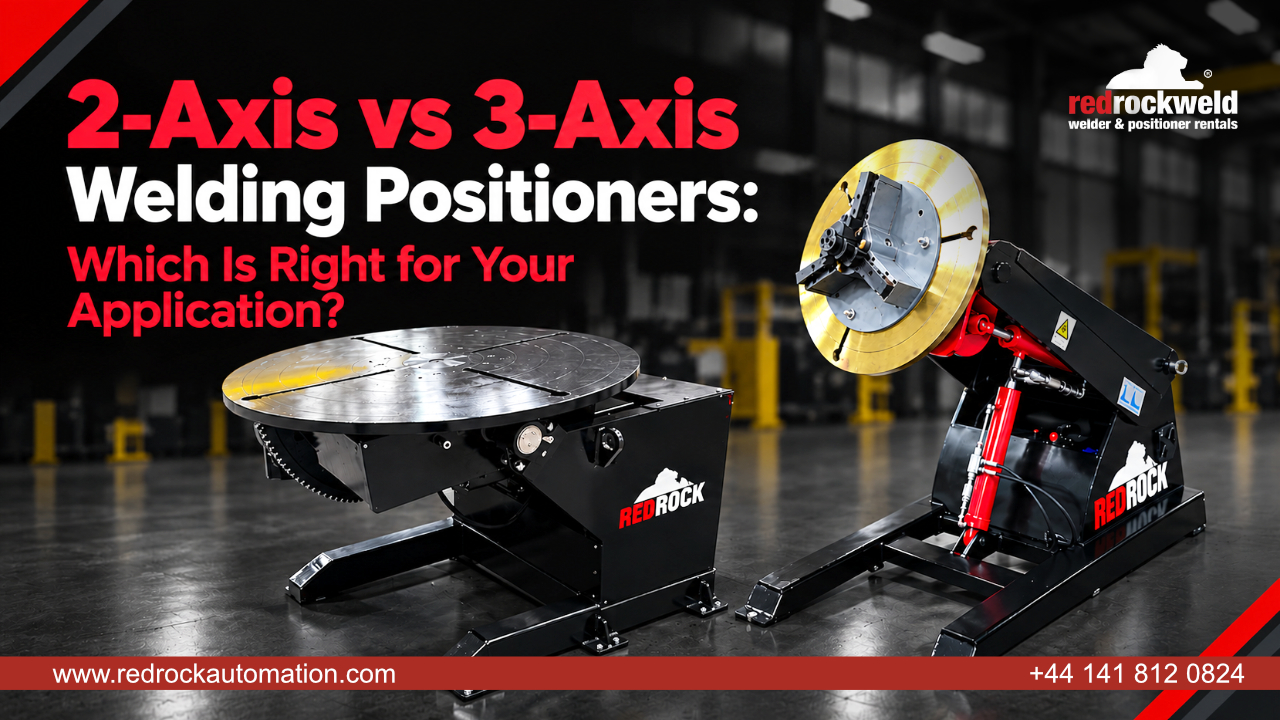
Proper welding positioning equipment is essential for fabrication shops to ensure high-quality welds while keeping workers safe and comfortable. Both two-axis and three-axis welding positioners rotate heavy metal pieces so that technicians can conduct welds in flat and horizontal positions. In this article, we discuss the differences between two-axis and three-axis positioning machines, their main benefits, and applications to choose the right tool for your projects.
What Are 2-Axis and 3-Axis Welding Positioners?
These are mechanical devices that secure, tilt and rotate heavy metal workpieces during the fabrication process. These machines ensure that the workpiece is in a favorable position for the robotic arm or human welder rather than forcing a person to move to an awkward position and thus ensuring constant deposition rates, neat weld beads and safe operation of a workshop.
1. 2-Axis Positioner Features
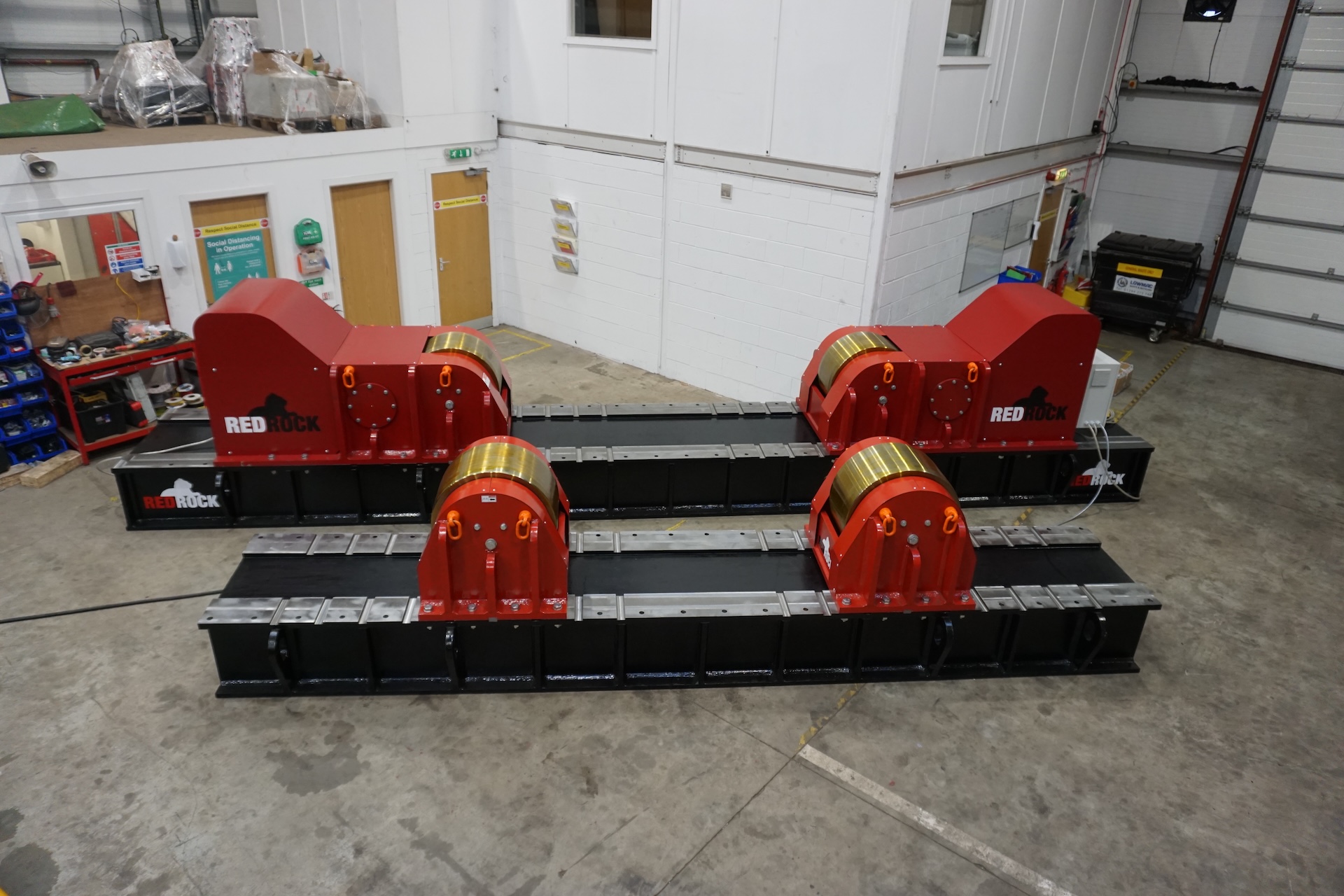
The basic feature of a two-axis positioner is its capability to provide a rotational movement on a turntable faceplate with an added tilting movement. Such movement allows fabricators to tilt cylindrical pipes and flat frames into downhand welding positions easily.
2. 3-Axis Positioner Features
The three-axis positioner is similar to the 2-axis one but with an additional axis of movement, for example, elevation or an additional rotary axis. Thus, three-axis positioners ensure full geometric freedom for raising, tilting and rotating massive assemblies.
3. Main Selection Factors
Selection of two-axis or three-axis machines will depend on size of a workpiece, complexity of joints geometry, and overall automation purposes of a workshop. While 2-axis positioning machines work well with usual fabrication processes, 3-axis machines help solve the problem with clearances of three-dimensional assemblies.
Differences Between Two-Axis and Three-Axis Positioners and their Practical Uses
1. Motion and Degrees of Freedom
Two axis-positioners provide constant movement of the rotating table together with forward and back tilting to expose the seam to the operator. The three-axis positioner includes one additional movement, which typically provides either vertical lifting of the worktable or horizontal sweeping motion when the machine operates. The extra degree of freedom enables a machine to position large assemblies without the collision with the floor surface during the rotational movement.
2. Size of Workpieces and Floor Clearances
A standard two-axis positioner may cause problems with clearance for large and asymmetrical workpieces tilted with it, since low ends may touch the shop floor. To overcome the problem of clearance, the three-axis positioners include raising/lowering of the entire worktable before the tilting procedure starts. This ability makes it possible for manufacturing facilities to process significantly bigger workpieces without additional investment into large pits or mounts.
3. Ergonomic Factors and Welder Convenience
Using two axis-positioners, welders should climb up to the high work platform or use a ladder to reach elevated seams of large workpieces. Using a modern three-axis positioner, workpieces can be raised and lowered according to operator needs; therefore, operators can stand on the floor when performing their work. Such ergonomic arrangement minimizes fatigue and prevents musculoskeletal injuries.
4. Robotic Cells Integration Abilities
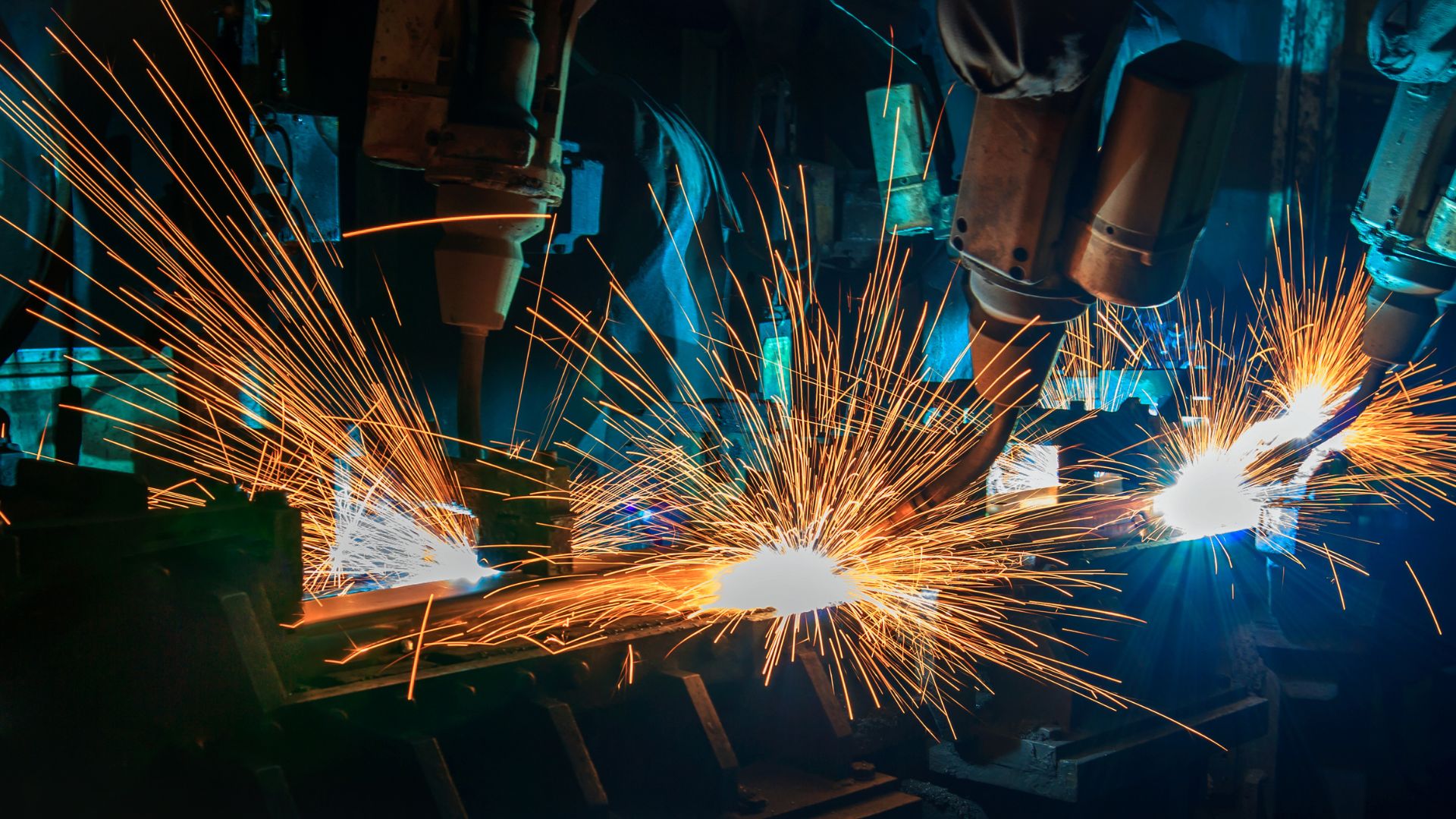
An automated welding robot needs continuous feeding to ensure the torch nozzles will be at appropriate angles for fast work. The regular two-axis positioner functions well as the external robot axis when it is used for pipe spools and symmetrical boxy metal enclosures. The sophisticated three-axis positioner is synchronized with robotic arms to enable the creation of multidimensional seams in automated work cycles without any pauses to manually adjust parts.
5. Machine Price and Cost of Acquisition
The two-axis positioners have more compact and simple constructions with less amount of drive motors and more easy control units and thus, the equipment price is relatively low. The three-axis positioner costs more due to heavy hydraulic ram, additional servo motor and mechanical safety brakes. The economical workshops often start from two-axis machines and then switch to multi-axis machines for complex commercial contracts.
6. Programming Complexity and Preparation Time
The setup of the two-axis positioner is fast since operators need only to set tilt angles and table speed of continuous rotation precisely. The three-axis positioner needs complex motion planning for simultaneous movements in vertical plane along with rotations and tilts in automated processes. The time required for the first programming process will save much time later.
7. Weld Quality and Deposition Consistency
The downhand welding position in flat welding leads to excellent weld penetration, good puddle flow, and very little spatter on every joint. Two-axis positioners can keep flat positions for common structural welding configurations such as tanks, flanges, and structural pipe assemblies. Complex structural geometries can be positioned in the continuous downhand position using a three-axis positioner without any defects from expensive out-of-position manual welding.
8. Shop Floor Area and Ceiling Height
Two-axis positioners offer a modest physical footprint and can comfortably fit in small commercial shops with typical building ceilings heights. There are great overhead requirements for the three-axis positioners due to powerful vertical lifting devices used for lifting of heavy parts up to high building structure trusses. It is important to measure ceiling heights and overhead crane paths before installing three-axis machinery in the shop floor.
9. Maintenance Requirements and Durable Operation
Because of fewer mechanical parts used in two-axis positioners, they require easy-to-perform maintenance activities that involve only gear lubrication and bearing inspection. Three-axis positioners have additional hydraulic pumps, telescopic lift columns, and secondary electric motors. They require rigorous maintenance schedules, but purchasing heavy-duty components from reputable machinery manufacturers guarantees reliable operation of both types of equipment for many years.
10. Long-Term Productivity and ROI
Two-axis positioners are a profitable investment for busy shops that produce structural frames and round assemblies. High-volume manufacturers that face complex fabrications should consider three-axis positioners as it helps to avoid expensive overhead crane downtime and reduces overall time cycle times. Increased productivity per day and decreased weld rework make a quick return on investment for the initial purchase cost of the three-axis machinery.
Conclusion
Making a choice between a two-axis and three-axis positioner is based on part shape, workshop space, and general manufacturing aims. The use of a two-axis positioner is economically sound and reliable in case of ordinary pipe and frame processing, but the three-axis system ensures ergonomic advantages and robotic capabilities not to be surpassed by anything else. To know more in-depth about welding positioners or to purchase one contact Redrock Automation right away!