Best Practices for Safe Operation of Welding Positioners
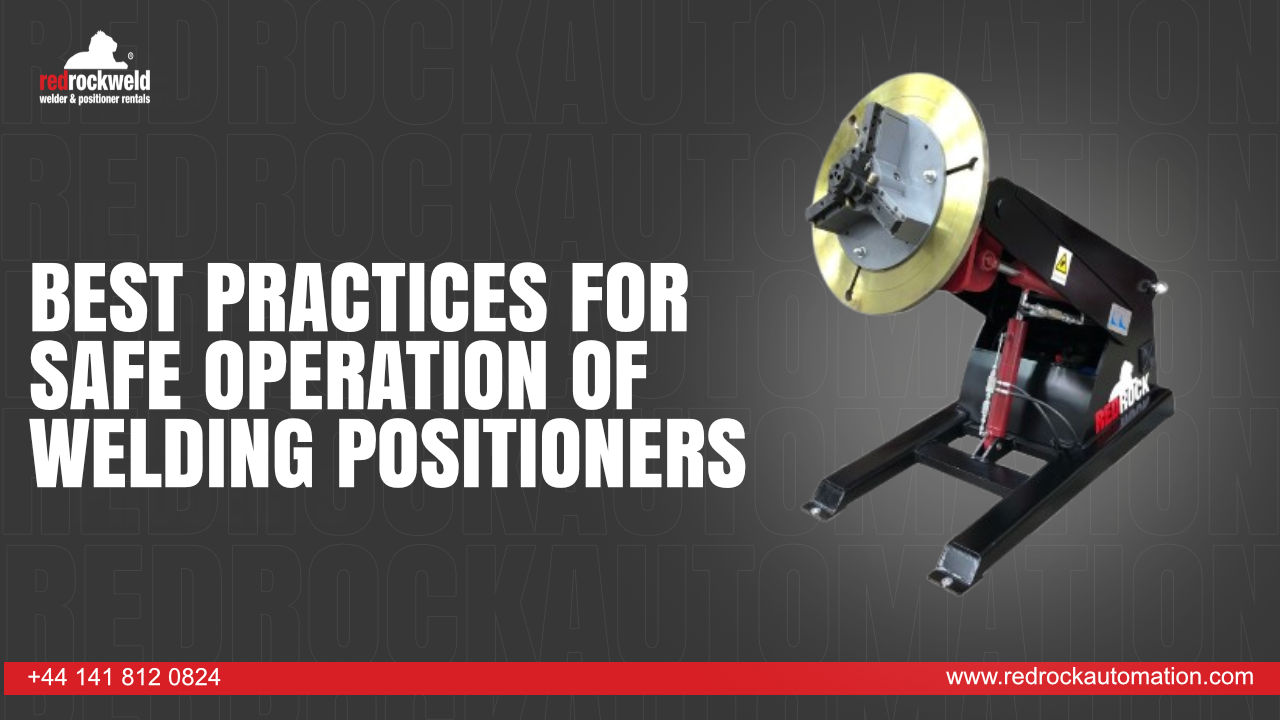
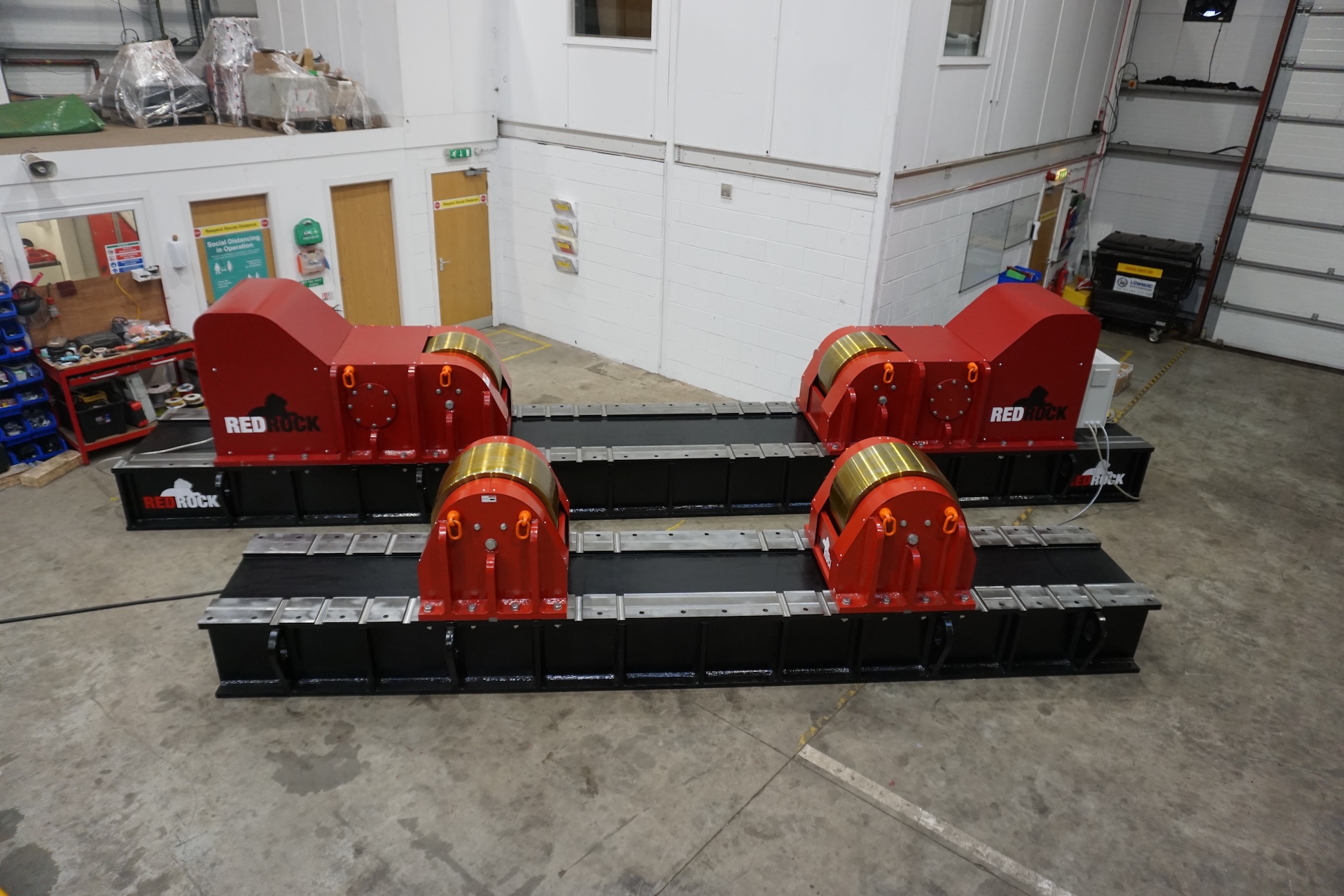
Manual repositioning of workpieces are tedious and time consuming, especially in the case of heavy or complex parts. Welding positioners resolve this issue as they hold and rotate the workpiece into the ideal position for welding.
By automating rotation, they enhance the efficiency of the overall process and improve weld quality. That being said, there are certain factors to be considered while using a welding positioner and this blog outlines the best practices to ensure safe operation.
Safe Practices To Follow
– Proper Equipment Setup
Before the process begins, make sure that the welding positioner is set up properly. Place the base on a stable, flat surface and secure it with bolts. Then secure the workpiece in the chuck and keep it centered on the rotation axis.
Improper mounting and set up can cause instability or sudden shifting which can wreck the whole welding process.
– Check the Load Capacity
Check the load capacity of the welding positioner and secure a workpiece that matches its limits. Overloading can cause strain and poor rotation, ultimately damaging the equipment. Stick to the manufacturer’s specification when it comes to mounting the new workpiece. In the case of larger components make sure to add additional fixtures to maintain stability.
– Optimal Speed Setting
Rotation speed is yet another crucial factor. Excessive speed can cause the undercutting, while slow speed can produce too much heat. By maintaining the optimal speed as per the welding requirements, operators can achieve uniform weld beads. Most of the modern welding positioners come with variable speed controls that operators can easily adjust rotation speed.
– Follow Safety Precautions
Safety is non-negotiable. Make sure to follow safety practices which includes using personal protective equipment, wear flame resistant clothing, ensure proper grounding, secure workpiece, maintain the right speed and never leave the positioner unattended while it’s working. Any lapse in the above precautions can cause accidents and hazards. Therefore maintain a safe work culture and extend equipment lifespan.
– Ensure Routine Maintenance
Maintenance is crucial for the proper functioning of any equipment and welding positioners are no exception. Always clean the rotary tables and remove metal, dust and spatter. Lubricate the moving parts periodically and inspect for wear and tear. Routine maintenance is crucial to ensure the longevity of the positioner.
-Train the Operators
Operators must be given proper training on how to use the welding positioner safely and efficiently. They should be given clear understanding regarding the load limit, speed setting, safety procedures and potential risks as well. The more skilled the operators are, the more efficiently these use the positioner, thus increasing overall productivity.
Conclusion
Welding positioners are essential tools in metal fabrication. Any lapse in handling the positioner can lead to costly consequences and increase the risk of accidents. By following the above precautions, companies can ensure efficient and safe production, minimizing workplace hazards and operational losses.
As the leading suppliers of welding positioner and automation solutions across the UK, RedRock Automation understands the importance of proper equipment handling and safe operational practices. We supply a wide range of welding positioners that are durable, reliable and designed to ensure quality welds.