9 Common Welding Problems and How to Prevent Them
Welding is the process of joining metal together with extreme heat. It is one of the most important, sought-after industrial operations out there. But even this highly efficient metal joining process is also bound to falter. Welding defects often require rework, cause metal wastage, downtime, and sometimes even workplace accidents and injuries in the event of a weld breaking. But most common welding problems can be prevented if you have a clear idea as to what causes them. Here’s a detailed rundown of the most common welding defects and ways in which you can prevent them.
1. Porosity (Tiny Bubbles Stuck in the Weld)
Ever see tiny bubbles stuck in the welded area? Those are called porosity. They usually occur when gas gets trapped inside the weld. Why they appear is usually because of dirt, moisture, rust, or not enough shielding gas to protect the weld. In order to prevent these, the metal should be kept clean, the gas flow should be smooth and seamless, and there should be absolutely no leakage problems in your welding gun.
2. Cracking
Cracks are another issue. They happen when the metal is cooled faster or when prepared improperly. You cannot fill a crack up; it needs to be ground out and rewelded. But it is much easier to keep them from forming: you have to keep the metal edges properly cleaned all the time, use accurate heat settings, and make sure that all the joints fit together well before the welding work starts.
3. Undercutting
Undercutting is when grooves appear after the torch burns off the base metal a bit too much. Reasons for this are many, including too much heat, movements being faster than they’re supposed to be, or holding the torch at the wrong angles. To prevent this, take the welding process slowly, get the angles double-checked before starting, and always make sure you choose the correct electrode size.
4. Incomplete Fusion
The reasons for incomplete fusion could vary. Sometimes, it’s because the weld doesn’t stick to the metal as it is supposed to. In such instances, there might not be enough heat, or the positioning is inaccurate, or the metal was not as clean as it should be. To prevent this, make sure the surface is clean enough along with the right heat inputs.
5. Incomplete Penetration
Incomplete penetration happens when the weld is unable to penetrate deep enough into the joint. It can leave a weak spot and is often the result of poor joint or wrong welding setups. How can this be prevented? By setting the accurate gap size, slowing down, and adopting the right technique.
6. Spatter
When there is too much current, wrong voltage, or incorrect settings, metal droplets start to spray out of the welding process. This is known as spatter. You can regulate it by lowering the current and checking the gas settings and keeping your equipment clean.
7. Distortion and Misalignment
Metal can be delicate when operated under an overheated torch. When that happens, the metal warps or shifts out of place from the excessive heat. Major reasons for this are poor heat control, improper clamping down of metal, or bad positioning. Some adequate preventions for this would be planning the sequence properly and using proper fixtures and controlling the heat carefully.
Welding Defects and Solutions
In a closer look, most welding defects and solutions come back to the basics—clean metal, correct heat, steady technique, and good positioning. For an efficient and uninterrupted welding process, always getting the basics right is the ultimate solution.
How Automation Helps Prevent Welding Problems
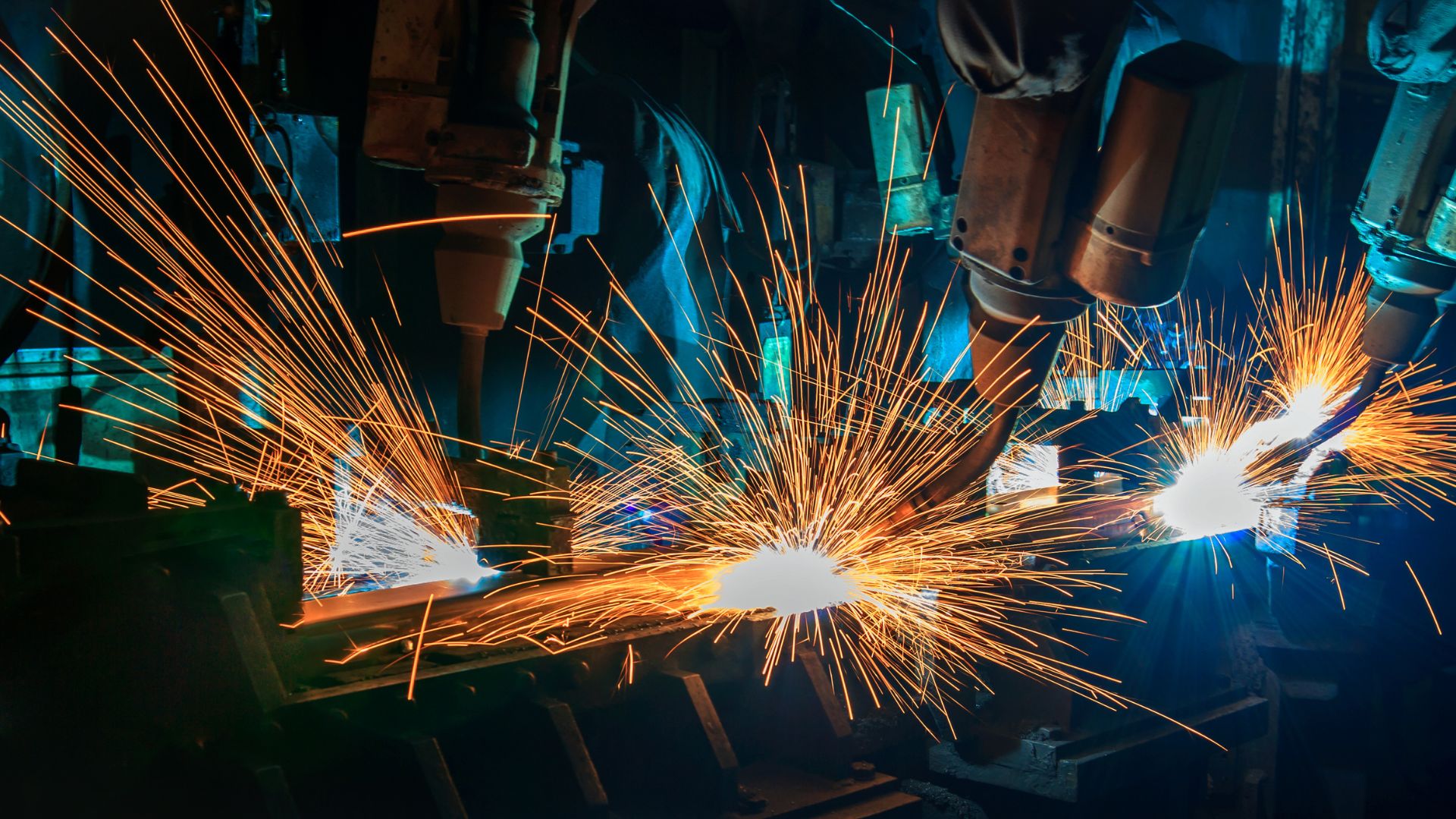
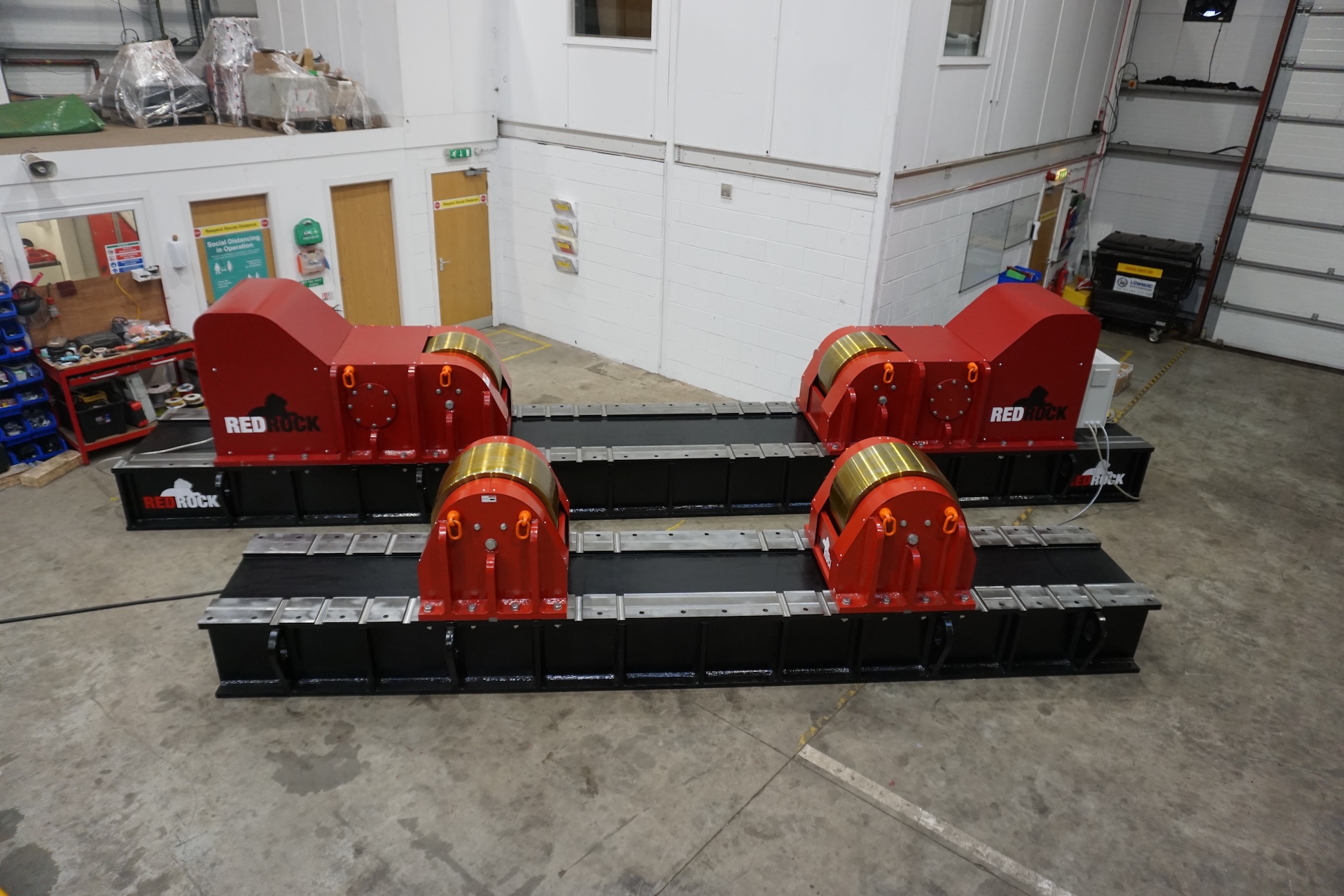
Skill can only get you so far. Large-scale welding is not exempt from human error no matter how skilled your workers are. Here, welding automation could be the right solution. Tools like welding positioners come in handy when you need to hold and rotate metal into desired positions, sparing the worker the physical strain of twisting, and in larger production settings, getting into awkward positions and developing physical problems such as injuries and fatigue in the long run. The welding manipulator can move the welding torch in a smooth and precise way, keeping the heat and speed consistently and continuously across operations.
If large-scale welding is part of your daily operation, this type of equipment greatly improves efficiency, reduces human error, maintains the heat and speed, and prevents issues such as porosity, cracking, undercutting, and distortion before they start appearing mid-process.
Conclusion
If you look at the most common welding defects, the reasons are always basics done wrong. Dirty metal, wrong heat, bad technique, or poor positioning. These problems can be fixed with real simple and almost basic settings done right. But even after getting it all right, your welding process still can make these mistakes when done manually. Here, welding automation takes that uncertainty away and gives you consistent results throughout the process.
Want fewer welding problems and more consistent results? Explore RedRock’s welding equipment collection and choose the ones tailor-made for your application.