How a Fit Up Bed and Growing Line System Works
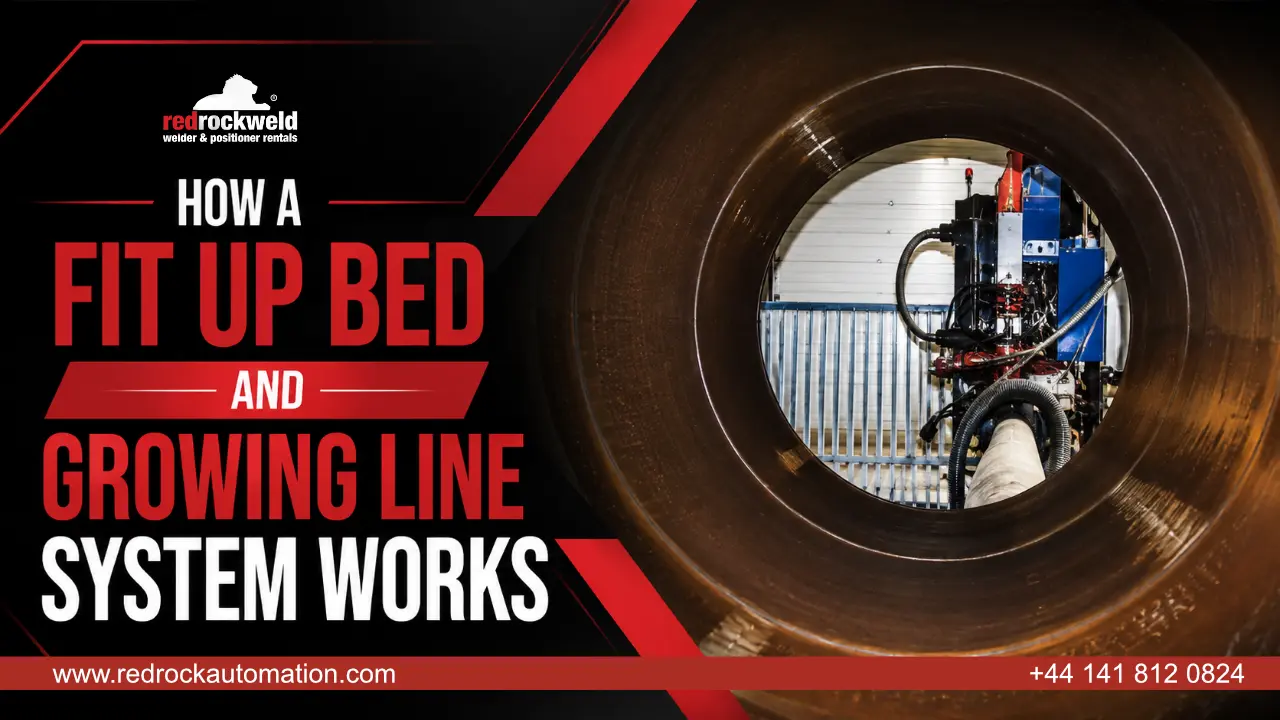
If you ever looked at massive steel structures and wondered how the companies that built them completed them with such precision, the obvious answer would be the Fit Up and growing line system.
What Is a Fit Up Bed and Growing Line System?
The fit up bed and growing line system is a setup mainly used in steel fabrication automation to facilitate joining large sections of metal together piece by piece until they become the complete structure. The name “growing line system” gets its name because of the way it is used to achieve a structure step by step. It works like a giant pipe or tower in stages where each new section gets carefully lined up and welded on before getting the next part on, thus the name, a growing line system.
Why Heavy Fabrication Industries Need It
These giant structures aren’t simple to execute. They are huge and need pinpoint alignment. Without proper alignment, the property won’t hold together. A fit up bed and growing line system removes the guesswork, making sure every section lines up exactly right before it’s welded—something extremely hard, slow, and risky to do by hand.
How the System Works
Component preparation is the first stage. Here, after getting separately built, the sections are brought to the fit up bed. Then it is time for alignment and fit-up, where each section is taken to the adjustment table, which can shift in almost all directions. Then they get to the growing line assembly, where the sections are added one by one, and the quality control part, the process integrity, is thoroughly analyzed through inspections.
Key Components of the System
- Adjustable tables/platforms that move on multiple axes to align each section.
- Motorized controls for precise adjustments under load.
- A ball screw mechanism for smooth, accurate positioning.
- A master-slave configuration, allowing sections to move together with better control
Benefits Over Manual Fabrication Methods
- It saves time since there is no need for manual repositioning or rework.
- Because the sections are precisely aligned before welding, the accuracy will be twice as good.
- The growing line concept fundamentally adds more efficiency and better continuity.
- Reduces downtime—less rework means fewer delays overall.
Industries Where It’s Commonly Used
- Wind tower production
- Offshore and vessel manufacturing
- Pressure vessel manufacturing
- Heavy fabrication work involving long, large-diameter cylindrical structures
Factors to Consider When Choosing a System
- Diameter range is number one. It’s important that the system can handle the component sizes you’re working with.
- Make sure customization is available, because the project might need bespoke solutions depending on the outcome quality.
- Having a better system for improved precision and control features helps you get smoother and more accurate alignment.
- Reliability and support—a system is only as good as the backup and servicing behind it.
Why RedRock Automation’s Solution Stands Out
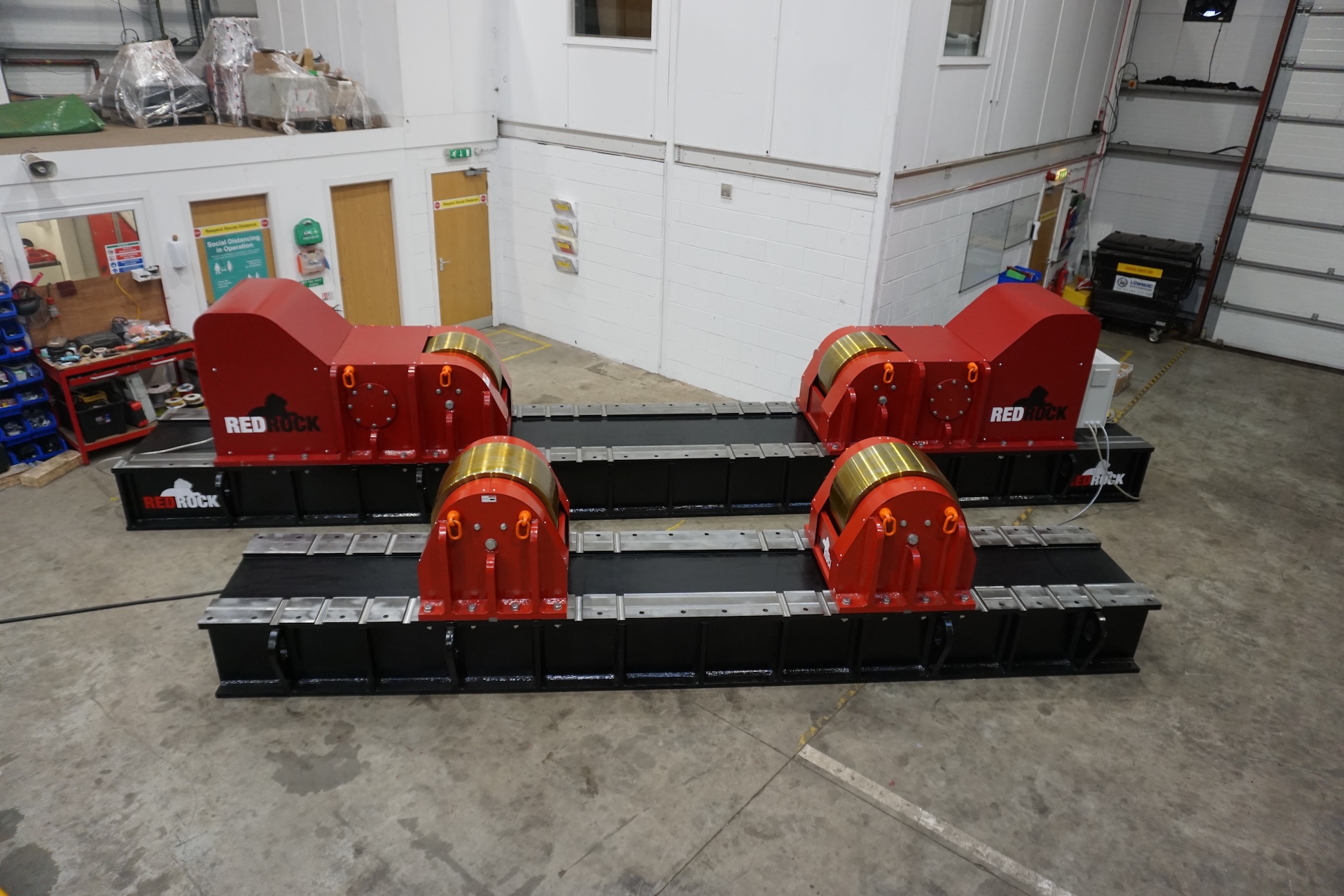
At RedRock Automation, we understand that every project has unique requirements. That is why our welding and positioning systems are designed to accommodate diameters from 1.5 m to 7 m, with flexible options to rent or purchase based on your project requirements.
Rather than asking you to adapt your project to fit standard equipment, we focus on providing a solution that fits your specific application. Our team can help you assess your project requirements and choose the right welding positioner or automation system based on factors such as workpiece size, production needs and project duration.
Need a reliable solution for your next project? Contact Redrock Automation to discuss your requirements and find the right equipment for your application—whether you need a short-term rental or a long-term investment.