Practical Steps to Increase Output of Welding Rotators
The challenging part of welding the workpieces, especially the cylindrical ones, is its positioning. Welding rotators rotate, support and position them enabling efficient welding. Sometimes their performance goes down not because the equipment is damaged, but due to the drawbacks in use and maintenance. Therefore thought must be given on how to maximize the productivity of the rotators in use.
In this blog we will discuss the practical ways to improve the efficiency of welding rotators.
How To Enhance The Performance Of Welding Rotators
1. Adjust Speed Settings
Rotation speed is a crucial factor as wrong speed settings can lead to defects. To maintain consistent rotation speed, make sure that it matches the welding process, material type, and thickness.
2. Proper Load Positioning
Incorrect positioning of workpieces can stress out the rotators and motors and lead to uneven weld. This can cause costly downtime. So place the loads at the right position. If the task involves workpieces of different diameters, use adjustable rotators.
3. Select The Right Rotator
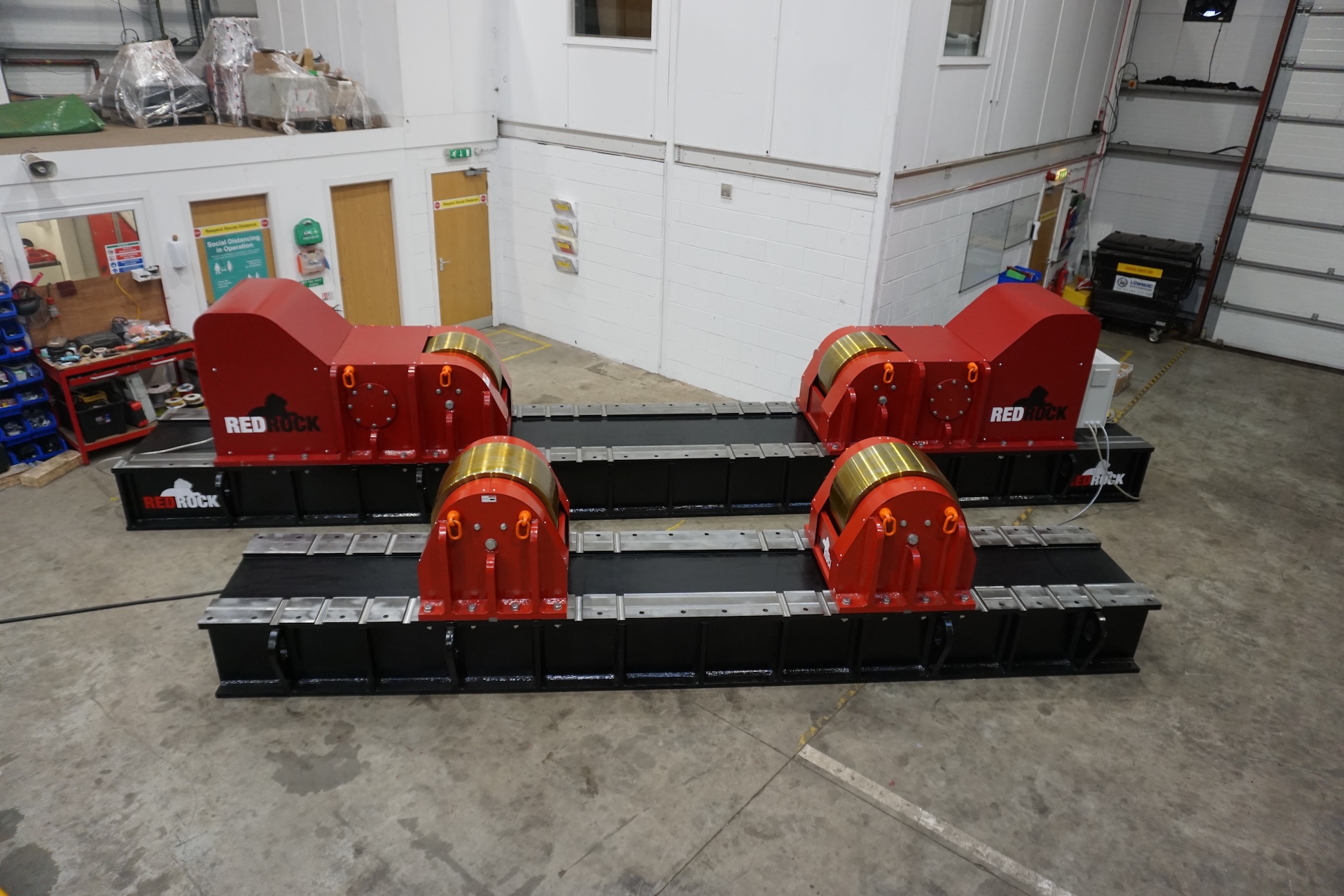
Always select the right rotator that suits the workpiece and process.
- Conventional Rotators: They are suited for normal applications.
- Self-aligning Rotators: They adjust according to the diameter of the workpiece.
- Heavy-duty Rotators: Ideal for oversized applications.
4. Proper Maintenance
Maintenance is important for any equipment to perform at its best. A well maintained welding rotator ensures correct positioning of the workpiece, smooth rotation, reduced equipment wear and high lifespan. Follow a proper maintenance schedule to maintain the optimal performance of the welding rotator.
5. Integrating Automation
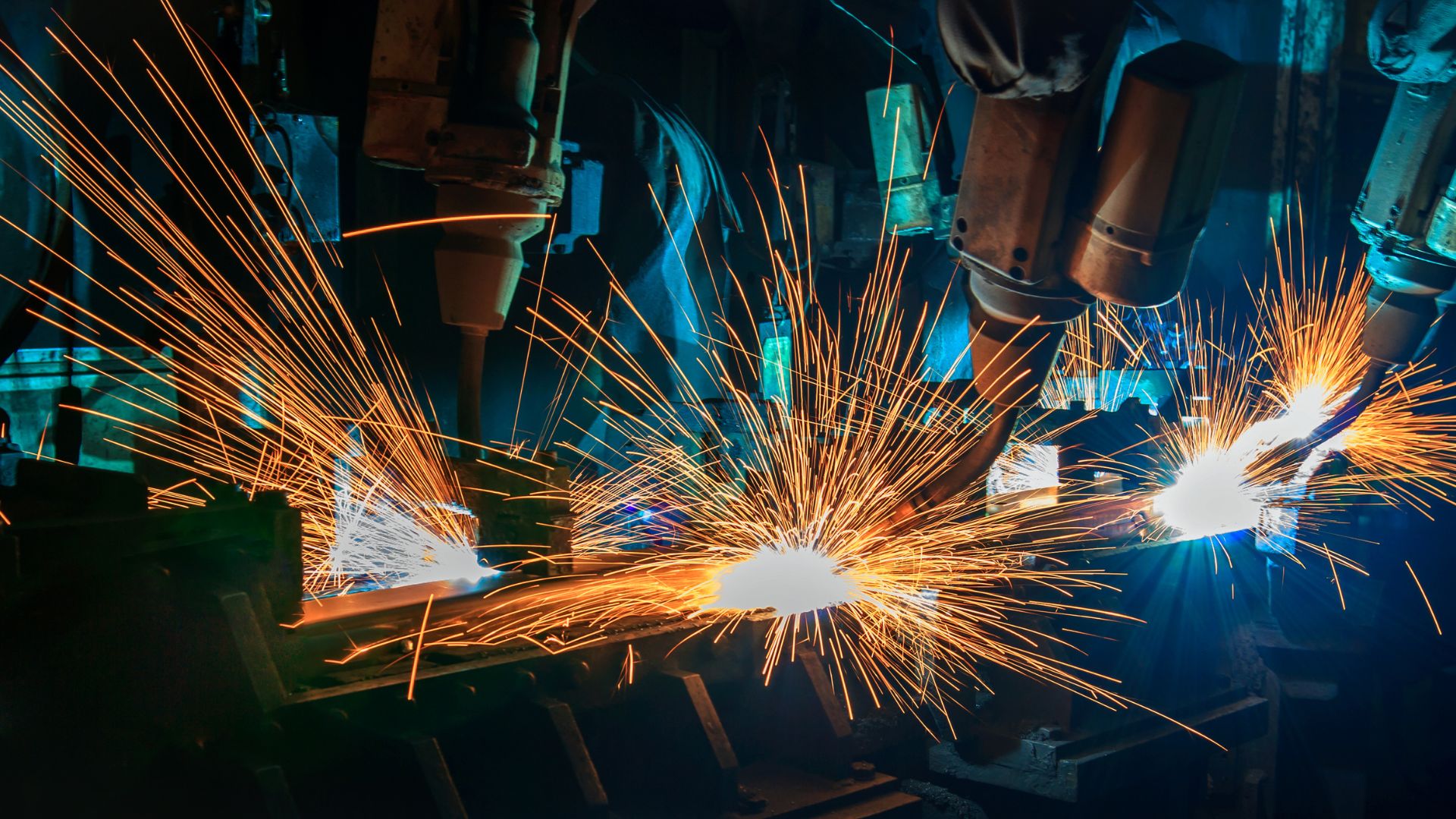
Integrating the welding rotators with automated systems enables faster and efficient operation. Combining the rotators with welding manipulators and other automated controls helps to carry out repeated jobs with ease, minimize errors and improve overall weld quality.
6. Operator Training
Operators should be given proper training for the efficient handling of welding rotators. They should be aware of the right speed and positioning, common errors and knowing how to troubleshoot problems.
Conclusion
Increasing the output of welding rotators is about using them in a smarter way to get the most out of it. Proper positioning, speed control, integration with automation, and effective operator training plays an important role in increasing productivity and weld quality. Focusing on these aspects will help businesses to ensure best performance of welding rotators.