Steps to Boost Welding Efficiency

Frequent rework, operator fatigue and low productivity- these are some of the issues that cause a drastic drop in the welding time, slowing the production, subsequently draining the profit. As far as modern fabrication industries are concerned, low productivity is a serious constraint that has to be dealt with, which makes the understanding of ways to enhance welding efficiency even more crucial.
This blog will walk you through the various steps to boost welding efficiency and maximize productivity.
Enhancing Welding Performance
1. Select The Proper Welding Process
Choosing the right welding process suited to the task, material, thickness, and the intended production volume is the most impactful step towards enhancing welding efficiency.
For instance, MIG welding is ideal for high-speed, high-volume projects. If the tasks demand precise and clean welds, TIG welding is the right choice. To weld thick materials, stick weld is the preferred solution.
Proper welding process will ensure quality weld and high productivity.
2.Choose The Appropriate Filler Metal And Welding Parameters
Filler metals and welding parameters are crucial factors that directly impact the welding process. By setting the correct voltage, amperage, travel speed and choosing the right filler metal, the quality of the weld will improve significantly, ensuring high-quality results.
3. Regular Maintenance of Equipment
A well maintained equipment is less likely to break down. Check the machine cables after the welding is done, ensure that there are no gas leaks or loose connections and make sure that the consumables, like nozzles and tips are replaced.
4. Ensure high-quality consumables
Consumables such as electrodes, shielding gases and welding wires are critical elements in the welding process. Their quality should not be compromised in any way, as low-quality consumables will cause defects, which can lead to frequent rework, delaying production.
Therefore, purchase consumables from reputable brands. Securely store and stock the consumables to ensure that they are available during the critical moments.
5. Ensure Proper pre-weld Setup
Pre-weld setup helps to ensure that the welding process proceeds smoothly without costly downtime. This involves pre-cutting the materials, preparing the joints by cleaning and positioning them ahead of time and checking that welding equipment and tools are in good condition. This way, operators can make sure that the welding process goes consistent and uninterrupted.
6. Let Automation Handle Repetitive Tasks.
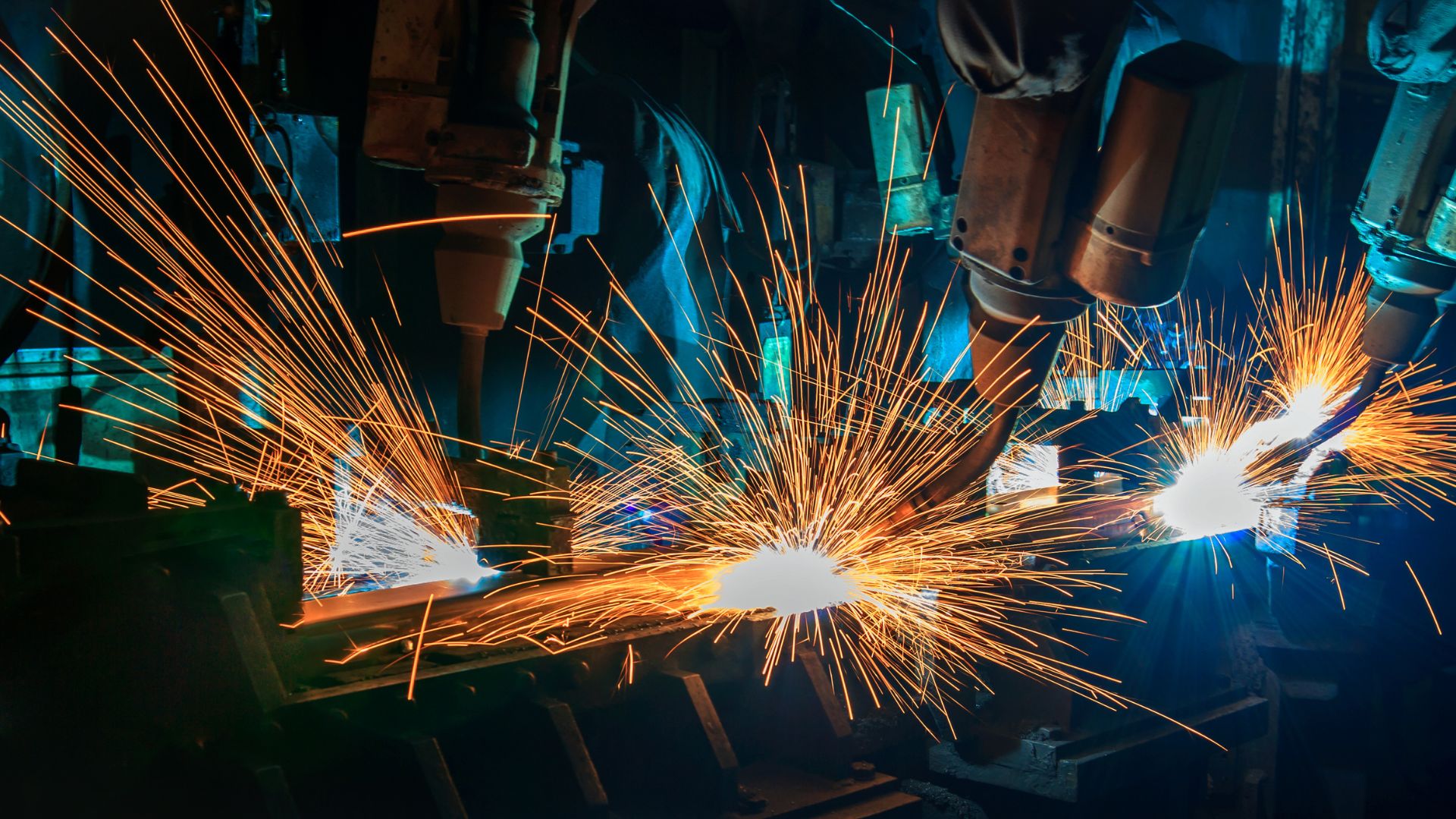
With the arrival of CNC welding machines, repetitive welding and cutting tasks can now be taken care of. While working on high-volume projects, switching to automation is the advantageous option for industries. Robotic welding and CNC cutting machines can work continuously and deliver high-quality welds consistently.
Conclusion
Enhancing welding efficiency involves the combination of several factors, such as the right equipment, filler materials, maintenance, pre-weld set up and adopting automation when required. By taking into consideration the above aspects, industries can significantly boost the weld quality and overall productivity.