Submerged Arc Welding Advantages and Applications in Industries
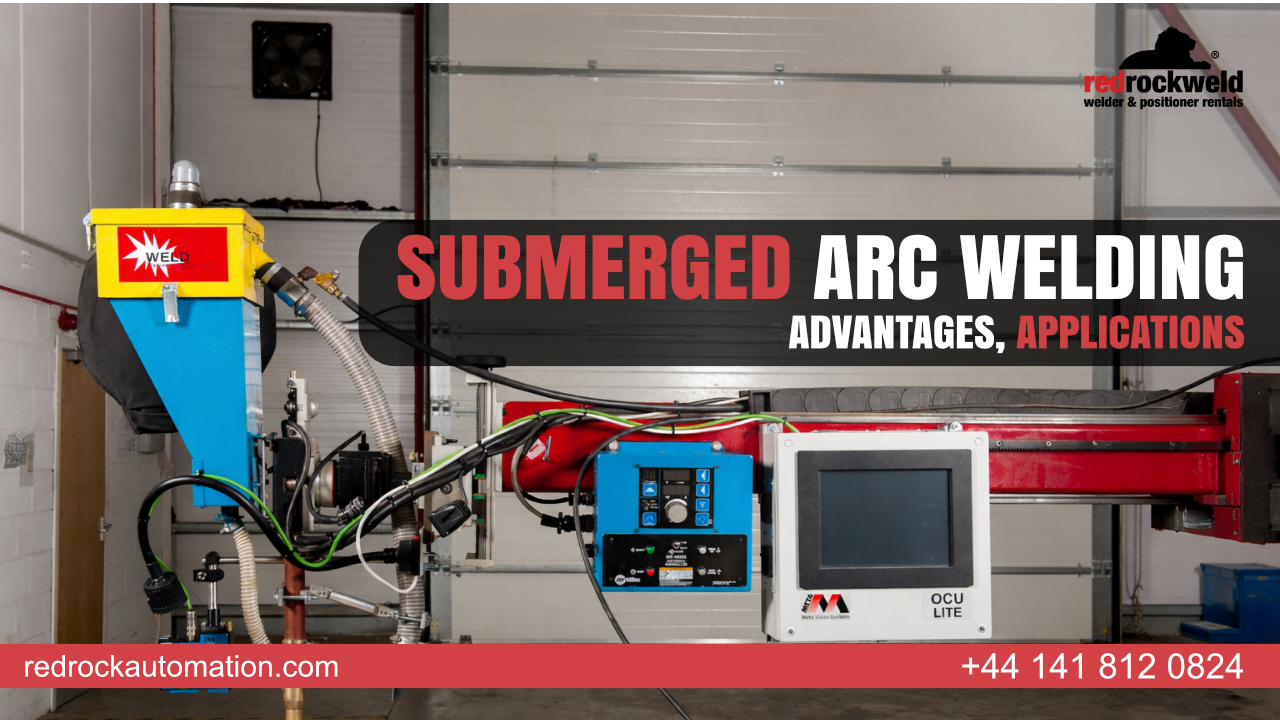
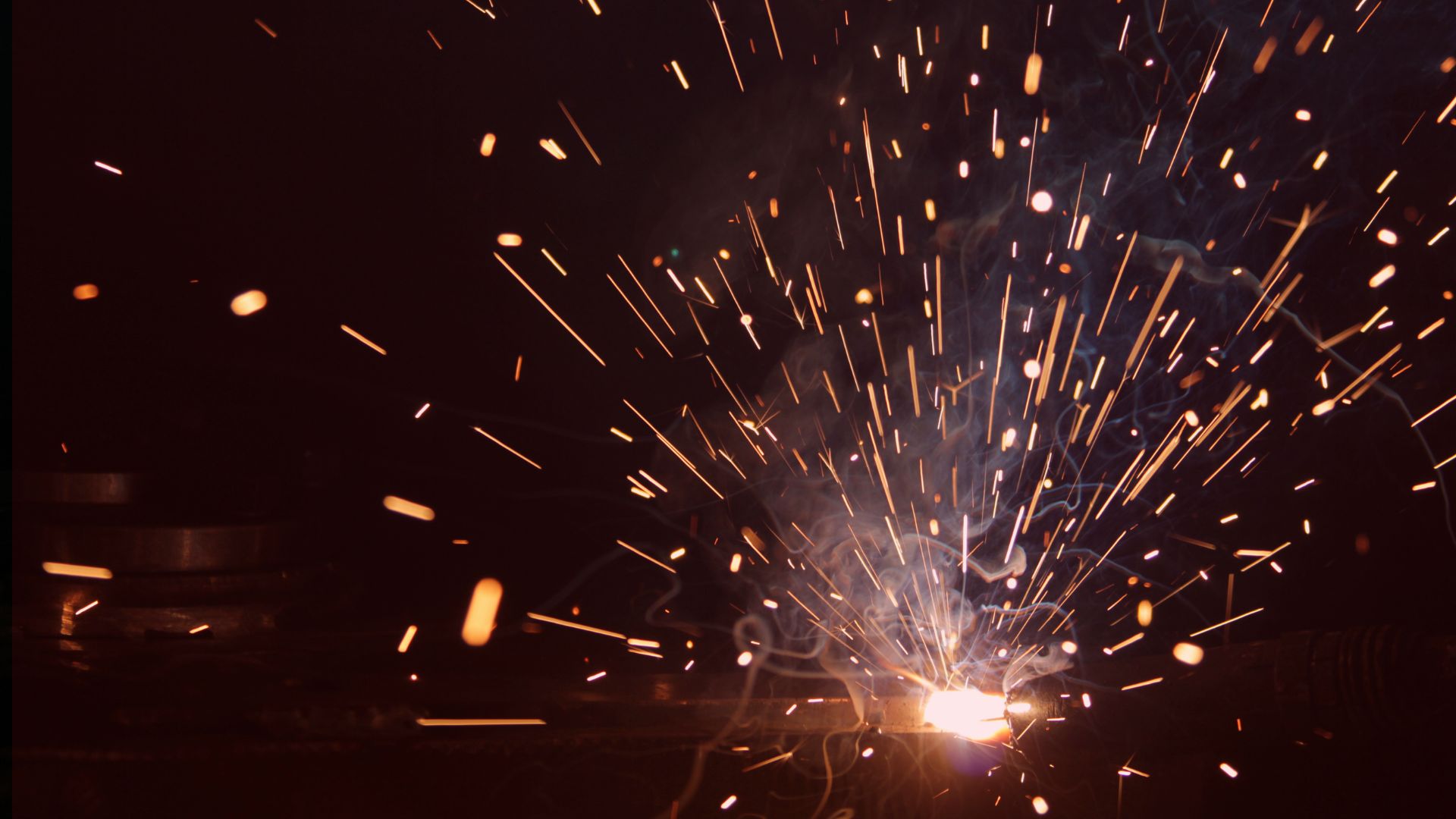
Passing by a welding workshop, watching those sparks, have you ever stopped to think- is there a way to weld without seeing those sparks? Surprisingly, yes. This is where Submerged arc welding comes into the limelight.
This arc welding process is popular in heavy fabrication industries, producing strong and deep welds. So what is the Submerged arc welding all about? This blog will unveil its characteristics, noting down the advantages and applications.
What is Submerged Arc Welding?
Submerged arc welding ( SAW) is a process where a continuous consumable electrode is fed into the weld pool that is submerged under the layer of granular flux.
The flux is fed through the nozzle onto the joints, that covers the area to be weld. The arc is initiated between the workpiece and the electrode.
The heat from the arc melts both the electrode and the flux. The melted flux forms a slag that protects the weld pool from contamination, which is removed once it hardens. The reusable flux is collected.
This way submerged welding arc produces high-quality weld with fewer defects.
Advantages of Submerged Arc Welding
- High Welding Speed and Productivity
The travel speed of the welding torch is comparatively high compared to other welding processes like TIG or MIG welding. Since SAW works at extremely high welding currents, along with the flux acting as an insulator trapping heat, the electrode melts faster and enables deeper penetration.Moreover the consumable electrode is continuously fed into the weld pool, which does away with the need of frequent stops, thereby enhancing the overall productivity.
- Superior Weld Quality
Protecting the weld pool from oxidation and contamination is crucial to preserve the weld quality. In SAW, the granule flux forms a protective shield that secures the weld pool, thereby ensuring high-quality and strong welds. - Reduced Spatter and Weld Fumes
Since the arc is hidden under the flux layers, they trap the fumes generated during the welding process. This reduces the level of airborne contaminants, maintains air quality and ensures a safe working environment. The welding spatter produced are also minimal, which helps the operators to work more efficiently. - Material Compatibility
Submerged arc welding is compatible with a versatile range of ferrous metals such as carbon steel, low alloy steel, and stainless steel. It offers limited compatibility to non-ferrous metals such as Aluminum, Copper or Magnesium.The compatibility is dependent on certain factors such as the electrode wire composition, flux type, input heat and various other welding requirements.
- Reduced Welding Distortion
Submerged arc welding is characterized by low cooling rate due to the following factors such as: – High heat input
– The arc covered by the thick layer of granular flux
– The insulating feature of the molten slag.
This reduces heat dissipation and heat-affected zone, preventing distortion due to residual stress, hardness or cracking.
- Versatile and Scalable
Submerged arc welding is scalable and versatile, making it a suitable choice across diverse industries. From small-scale operations to large-scale projects, this welding process can be adapted according to the task requirements.
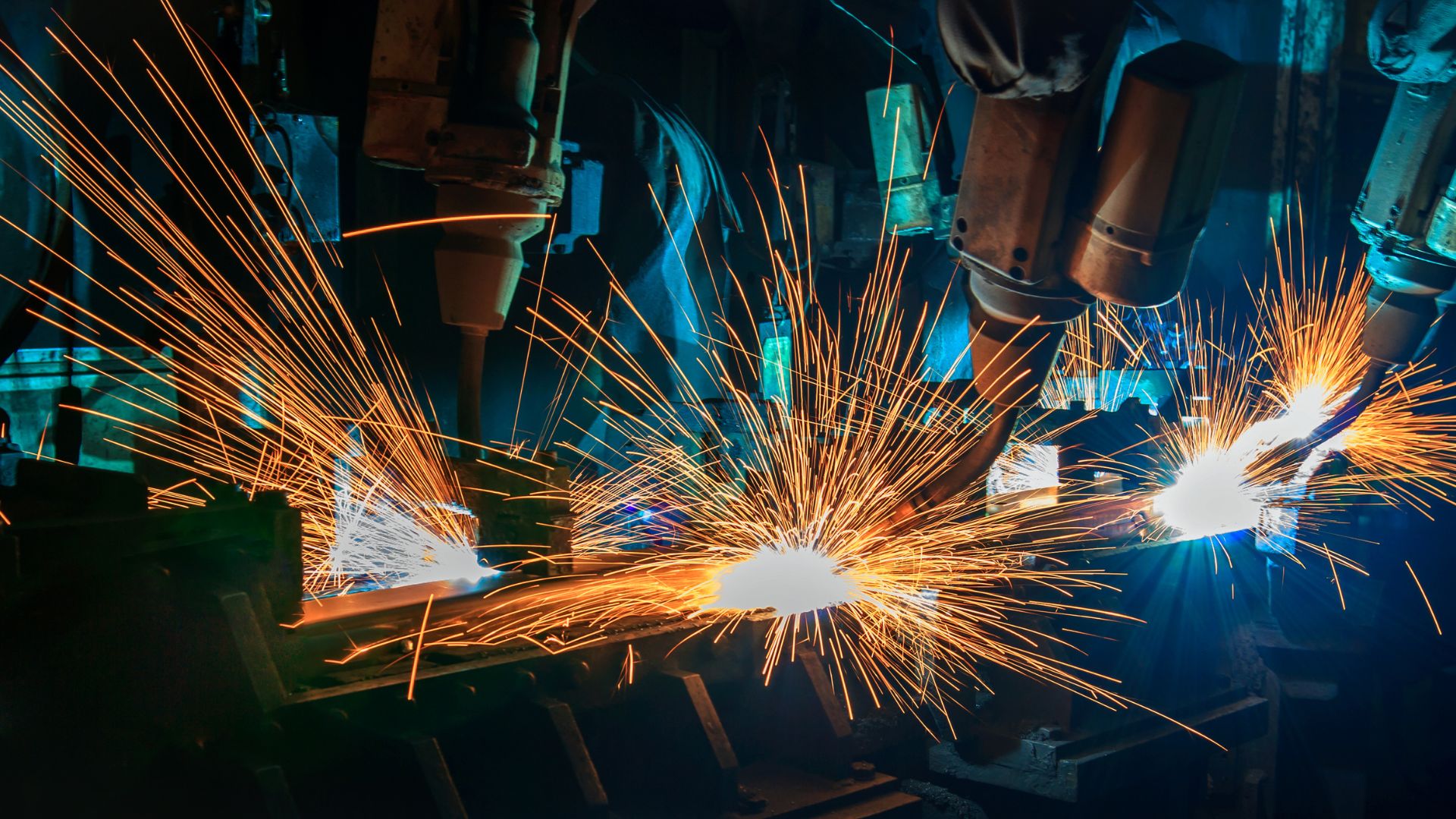
SAW supports automation, making it an ideal choice for mass production and repetitive options. Moreover through this process long and continuous welds can be performed with minimal stops.
Applications
The Submerged arc welding is used across a wide range of industries such as:
- Fabrication Industry:
SAW is widely used in the fabrication of pressure vessels, pipes,boilers and storage tanks. - Shipbuilding
In shipbuilding SAW is effective in producing long, straight welds on large steel plates that are used to build structural assemblies. - Automotive
The high speed and efficiency of submerged arc welding are well utilized in the automotive industries, particularly in the fabrication of heavy vehicle components such as truck frames, wheel rims, chassis structures and the like. - Railway
In railway manufacturing submerged arc welding is used for the production of rails, rail joints, bogie frames and other structural components.
Conclusion
To sum up, submerged arc welding stands out as the most efficient and reliable welding process that easily tackles the welding requirements of modern fabrication industries.
Its ability to create strong, deep and high-quality welds with minimal defects makes it a crucial addition to diverse industries such as automotive, railway, ship building and other such applications where performance and structural integrity is non-negotiable.
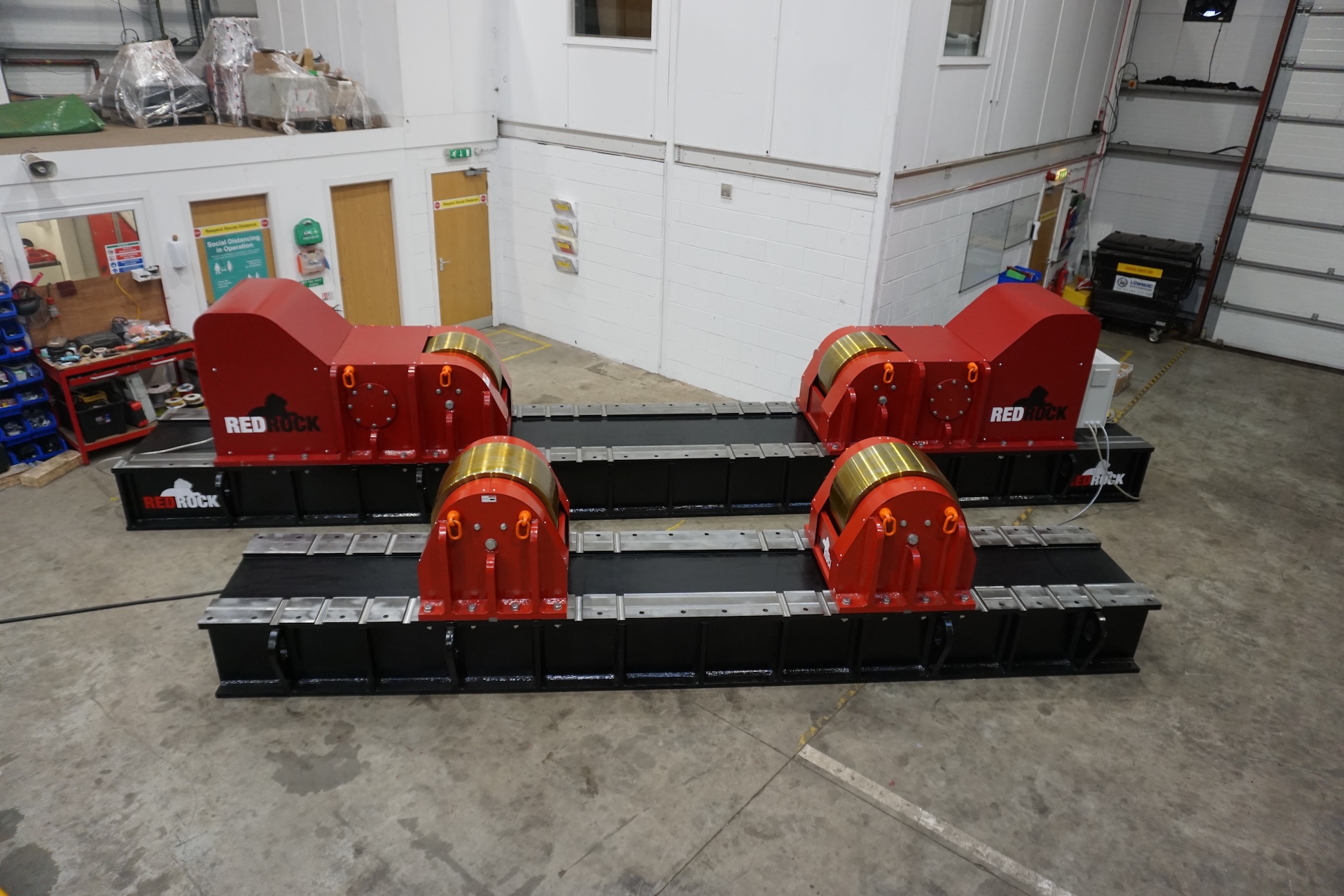
If your project requires SAW and you are searching for reliable equipment, RedRock Automation is your trusted partner. We offer durable and sturdy Submerged arc welding machines for both sale and hire, ensuring that your welding operations are completed efficiently, helping you achieve high quality standards.