Tips to Follow in the Maintenance of Welding Positioners
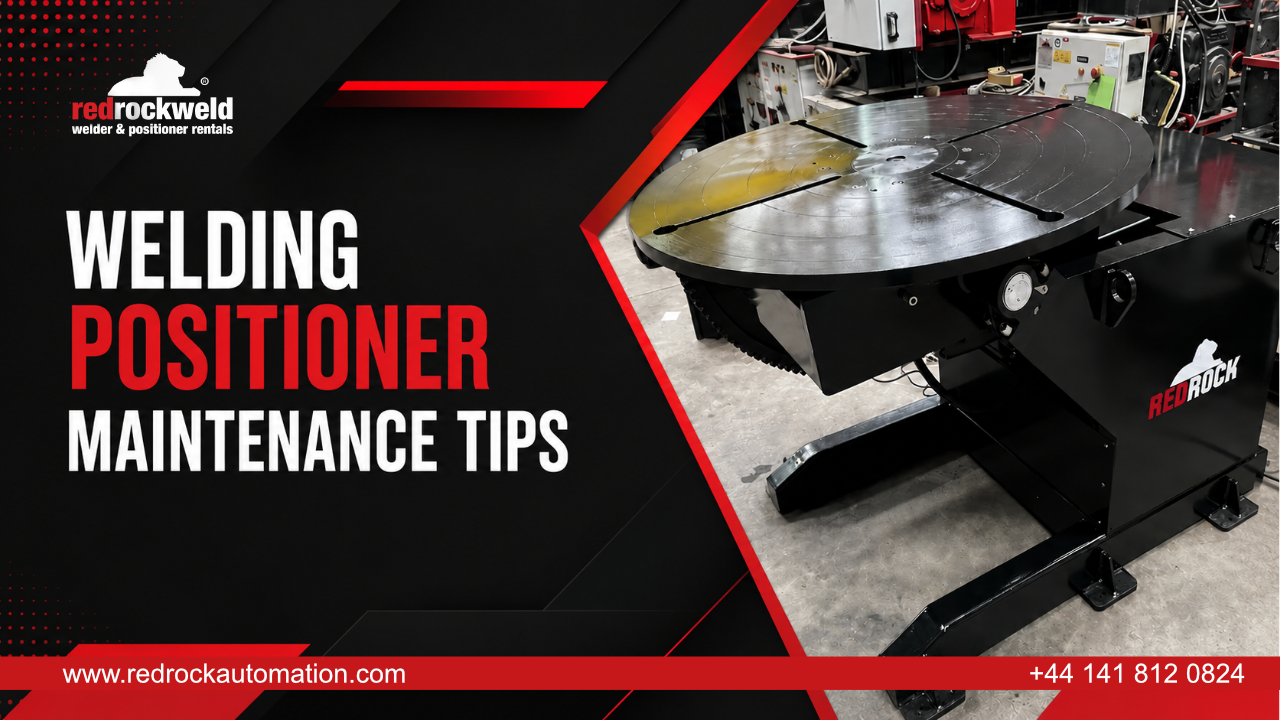
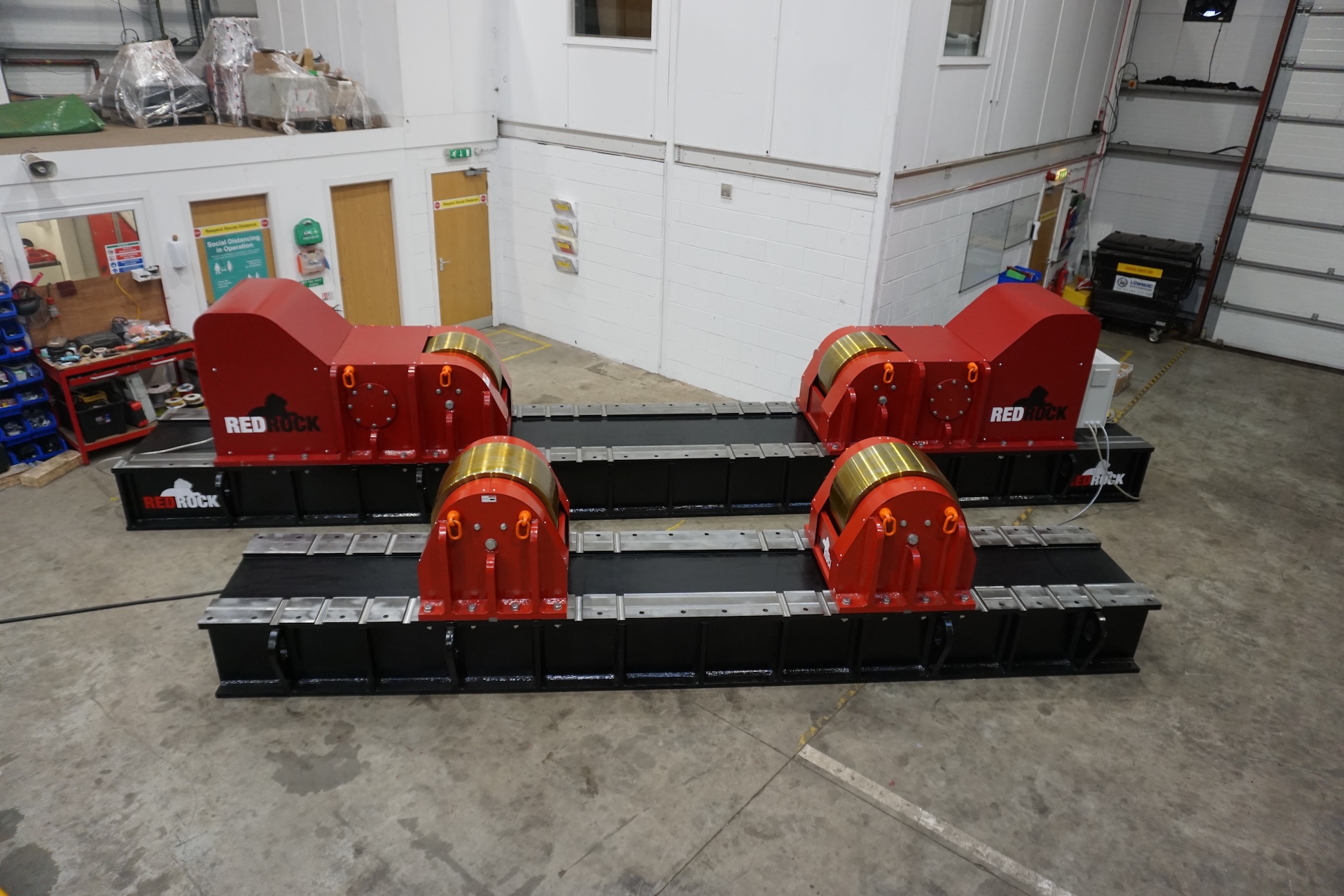
A machine closely associated, rigorously used in industrial welding, yet never lays a single weld by itsef–that’s the curious case of the welding positioners. Jokes aside, the best ones never weld, yet they play the most important role in deciding the overall weld quality in industrial applications.
They improve weld quality, increase productivity, reduce operator fatigue and help fabricate giant structures of the world. Their expertise is not in welding; it’s in positioning heavy metal items in the most accurate way in order to achieve the best weld possible.
Some Unique Features of the Welding Positioner
- All it takes for a welding positioner to rotate a massive workpiece and give the welder precise control over the material is the push of a button. One push and boom–a 500 kg steel component gets placed in the most precise position.
- The world’s largest structures, from pressure vessels in the oil refineries, the energy transferring pipelines laying across continents, the structural components in ships and heavy machinery were made possible with the help of these precision-controlled, heavy-duty machines.
- With a welding positioner at your disposal, the welder no longer has to climb around a component, bend into awkward positions or continuously reposition heavy parts. This increases weld time and quality rapidly.
Important Maintenance Tips That Help Them Stay in Shape Forever
The sole difference between a welding positioner that stops after 3 years and the other one that has been working fine for the last 15 years is not brand; it is in fact proper maintenance. So, if you’re someone genuinely interested in finding out the proper maintenance of these wonderful machines or someone out in the market looking for welding positioners for sale, here are some important maintenance tips that will help you understand and maintain your welding positioner better.
1. Clean and Lubricate
The rotating table is an important part in welding positioners. It is vulnerable to the accumulation of dust, metal spatter and fumes, leading to operational fatigue and wear. To prevent this, make sure to clean the table surface, gears and fixtures, follow the manufacturer’s lubrication guide and use recommended industrial lubricants to limit friction and extend its life.
2. Unusual Sounds
Though it is a powerful machine and handles heavy material all the time, unusual sounds are never part of its process. A healthy welding positioner should be smooth and silent, with only its parts’ working noise audible. Any unusually bothersome sound other than these may be an indicator of an expense on the way if not attended to. It is preferable to change a worn bearing than spending a huge sum on total overhaul after just months or worse, replacing the equipment as a whole.
3. Inspect Electrical Connections
Industrial setting is where extreme action takes place. Heat. vibration. Dust. When your welding positioner is exposed to these for longer times, it can result in loose connections, cable damage, worn insulation and corrosion in terminals. In order to ensure the smooth working of electrical parts, establish mandatory inspection before use.
4. Load Capacity
A welding positioner lifts heavy materials, not because it’s a lifter, but a rotator that places in precise spots. It comes with a pre-established maximum capacity and center-of-gravity specification. When loaded beyond capacity, this can put unwanted stress on parts such as motors, gearboxes and structural components and shorten their lifespan.
Conclusion
Welding positioners are simple machines that make a complex process simpler. But for these precise-positioning machines to work smoothly with an extended lifespan, they have to be properly maintained by following manufacturer guidelines.
These machines come with various parts such as bearing and motors that need proper inspections to ensure its level of precision remains smooth in key welding projects. Lubrication is another important part of maintenance and the weight limit should also be taken care of as well. Moreover, they help out welders a great deal by eliminating their need to bend into awkward positions to reach the components as they work vigorously to position workpieces with zero manual labor, allowing maximum time for welding works.
With more than a decade of experience in welding automation, a global network of facilities, and comprehensive after-sales support, Redrock continues to help fabricators across multiple industries improve productivity and achieve higher-quality welding outcomes. Whether for rental or purchase, Redrock provides an excellent range of welding positioners needed to keep your fabrication operations moving forward.