Daily Pre-Use Inspection Checklist for Welding Positioners
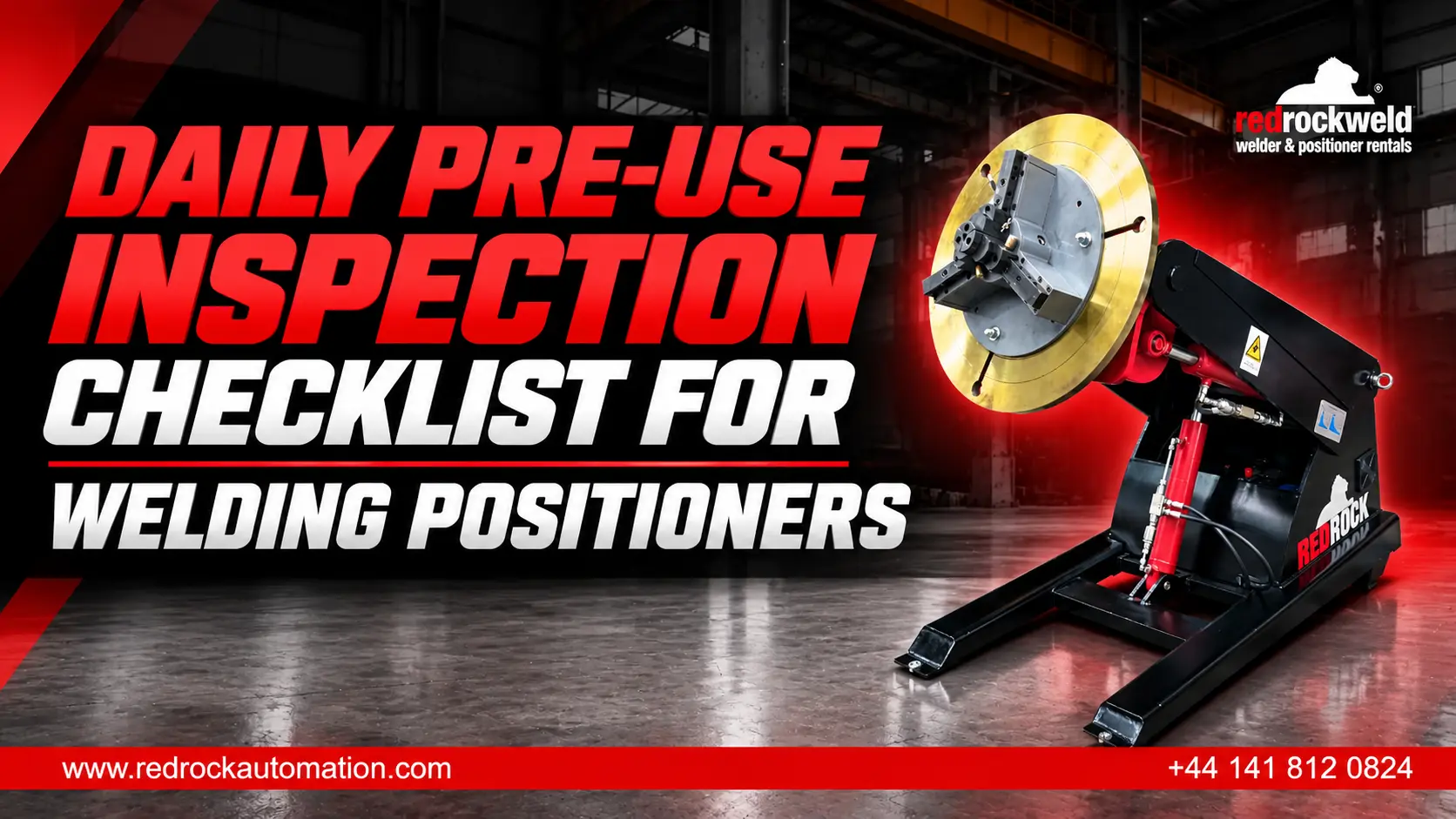
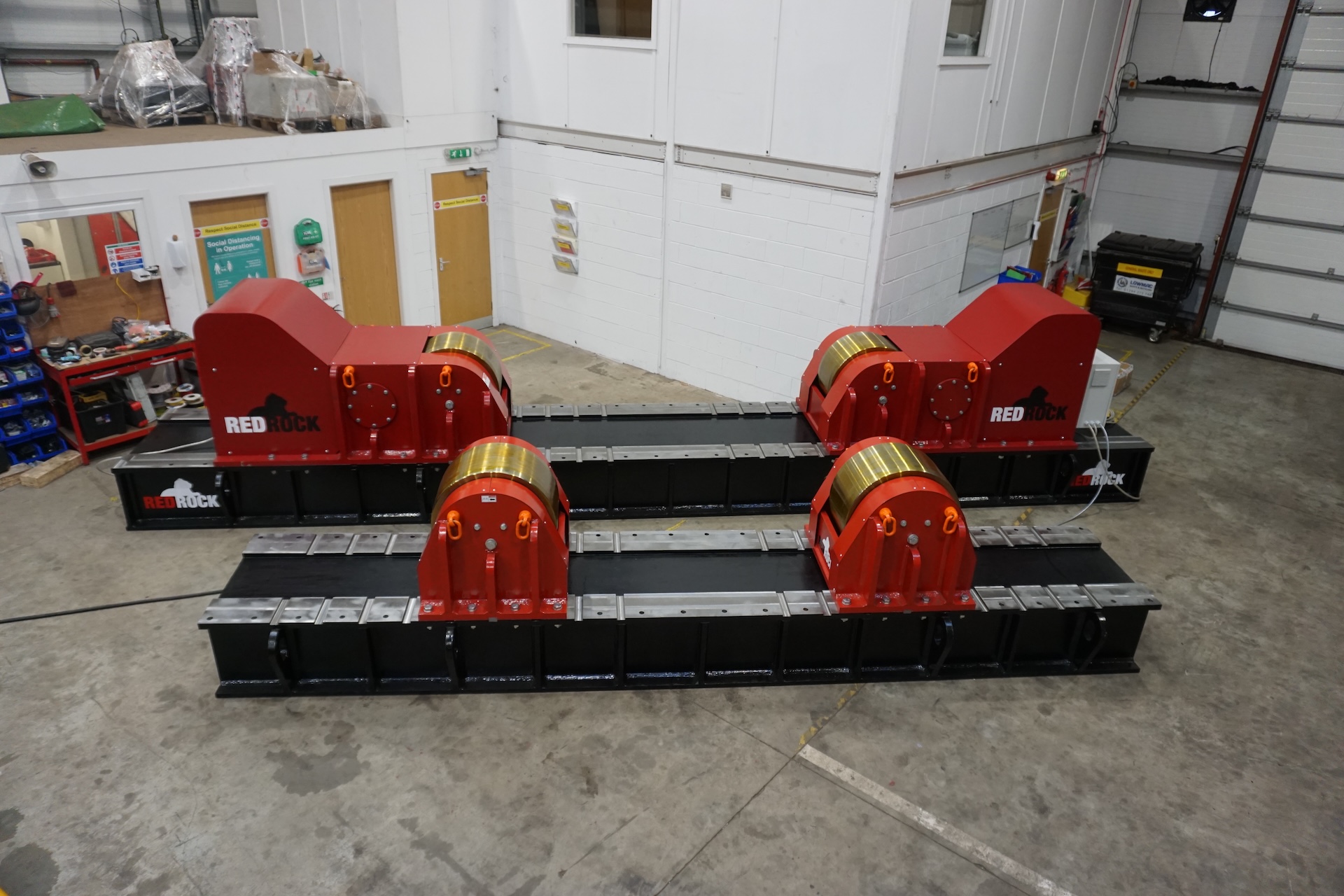
The welding positioner is used to hold and turn workpieces with control during welding. Using them makes for an easier welding process and higher weld quality.
Every machine requires inspection regardless of its reliability. Proper checkups ensure longevity. Damaged parts or cables can create workplace hazards. Early checks bring potential hazards out and keep the workflow intact. Before using this as a checklist, always refer to the machine manual and adhere to safety rules.
1. Check the Frame and Base
Thoroughly check the machine’s frame, base, and support columns. Look for any cracks or bends. Make sure important parts such as mounting bolts and floor fixings are in place—any sign of damage must be reported.
2. Inspect the Table, Fixtures, and Clamps
Rotating table, chuck, fixtures, and clamps should be wear-free and tight in their positions. Workpiece holding should be solid. Remove any debris that could make the workpiece’s position uneven.
3. Look at the Motor, gearbox, and drive
Oil leaks are a potential risk with the motor and gearboxes. Check for loose fittings or worn covers as well. Check lubrication level. Refrain from overgreasing.
4. Check Cables and Controls
It is a must to check cables and plugs, connectors, and control leads. Look for any damages associated with control panel, hand pendant, and foot pedal.
5. Test the Emergency Stop and Safety Devices
The emergency button should be easy to reach. Use standard procedure while checking.
6. Confirm the Load Is Within Capacity
Always make sure the workpiece weight doesn’t exceed the rated capacity. Consider its shape, size, and center of gravity. Improper balancing can also be unsafe even within the permitted weight limits.
7. Test Rotation, Tilt, and Movement
Next, go for the movement test. Make sure both the tilt and rotation movements are smooth. Report any sudden movements.
8. Check the Work Area and Welding Connection
The area should be free to operate. Any tools, scraps, or other material obstacles cannot be left in the work area. Make sure cables and clamps are damage-free. The connection needs to be secure and should adhere to the welding equipment instructions.
9. Record and Report Problems
Every day before work, make sure you complete the checklist. Note down the date and machine number. Record any fault operations. Wears on parts. The checklist is then forwarded to the supervisor or the maintenance team.
If the report indicates any possible fault serious enough to cause damage, seal the machine out of use until it goes under authorized inspection and gets a fitness clearance.
10. Follow the Checklist Every Shift
The checklist should be simple enough to understand, communicate, and follow. Keep the precheck note close to the machine so that all safety measures are strictly followed even before the machine is started.
A scientific daily inspection brings out any error regarding the operation of the machine. It minimizes workplace incident probability and keeps clear communication among the team regarding safety measures, effectively boosting morale.
Make Pre-Use Checks Part of Every Shift
What welding positioners bring to any metal fabrication facility is invaluable. It elevates the gripping, turning, and rotating quality of any facility and keeps it going at the same speed, resulting in guaranteed speedy and safe operation.
But it requires proper inspection like any other machine. We hope this article helps you get a basic understanding and a checklist that you can keep alongside the official manual. If you are looking for quality welding positioners, contact Redrock and explore our range to find the machine suited to your welding applications.