Welding Rotator Capacity Guide: How to Choose the Right Rotator for Your Vessel
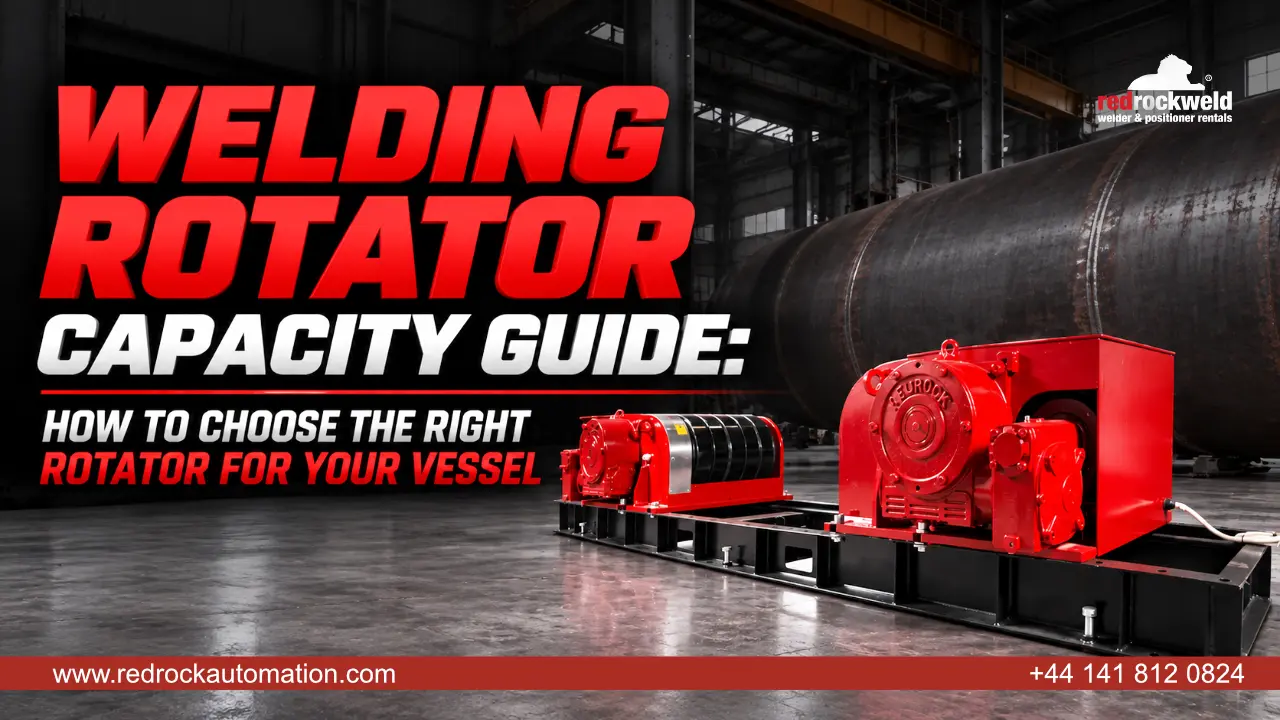
Having a welding rotator at your disposal comes with multiple advantages. It not only improves the lifting of the vessel but also keeps the workpiece safe, stable, and easy to control during the welding process. Choosing the wrong capacity means compromising on stability, handling, and production efficiency. A correct welding rotator for sale should match the vessel and the way it will be fabricated.
What Is a Welding Rotator?
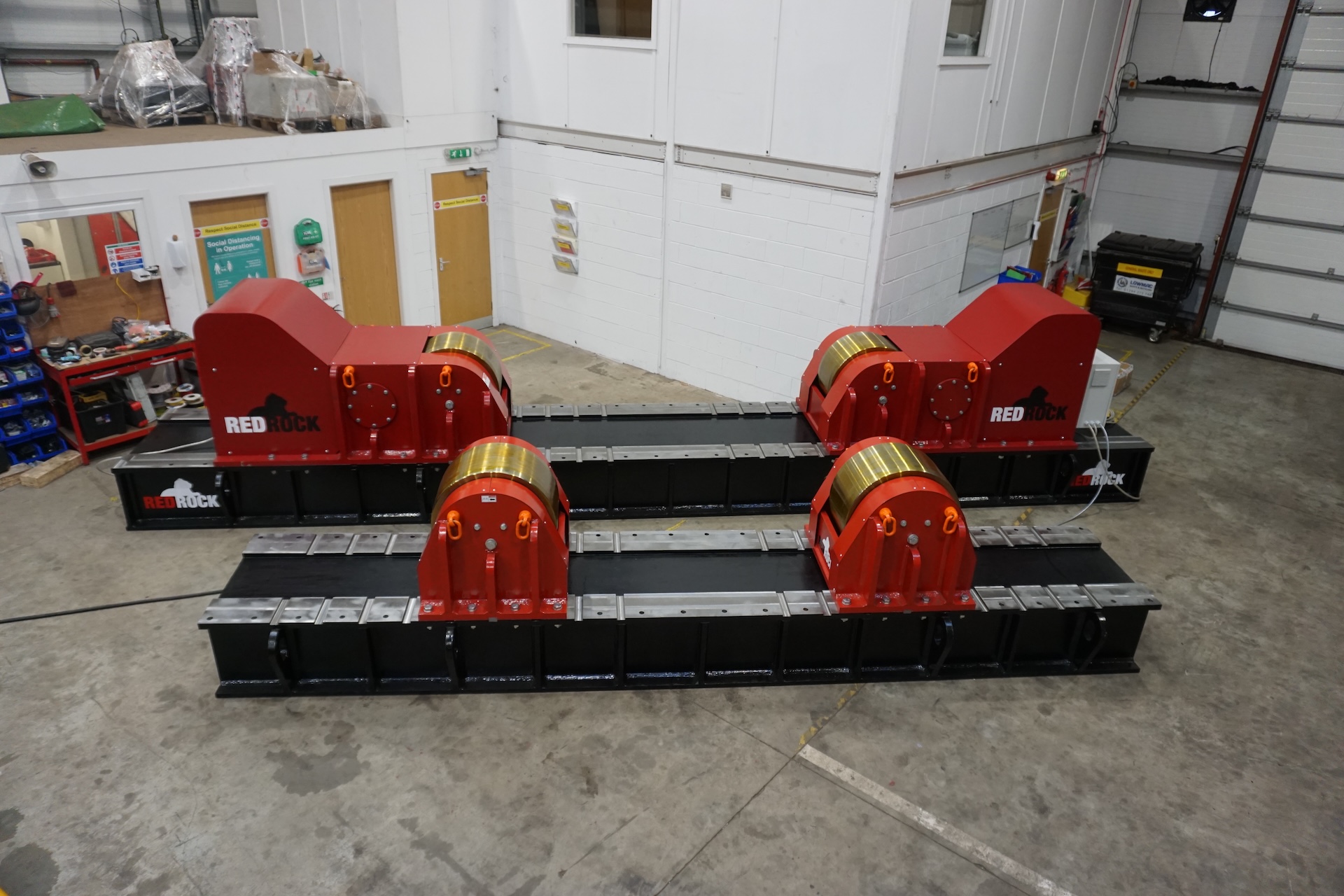
Welding rotators secure and revolve heavy cylindrical objects—including storage tanks and industrial piping—ensuring smooth, consistent access for operators. Its main part, the rollers, rotate the workpiece at a controlled speed, arranging the workpieces to get into much more comfortable positions and making the work easier for the welder.
Understanding Welding Rotator Capacity
The rated capacity on the rotator explains how much weight it can handle and rotate comfortably. But is the vessel shell the only consideration?
The selection of the right capacity should be for the whole workpiece, inclusive of all the things that rotate with it.
Calculate the Total Workpiece Weight
To get the total workpiece weight, you have to start with the vessel itself, followed by attachments, fittings, fixtures, clamps, tooling, and other items to be carried in the rotation process.
If you only calculate the shell weight, the rotator you chose might not align with your rotating volume. Make sure to consider the complete operating load. A simple rule is to calculate the complete operating load rather than choosing a machine based only on the shell weight.
Consider Vessel Diameter and Length
Weight is only one part of the selection. Vessel diameter and length also affect how the workpiece sits on the rollers. Before making a decision, check the rotator’s diameter range, overall vessel length, overhang, and available working space.
Load Distribution and Center of Gravity
Two vessels can weigh the same but still have two different weight impacts on the rotator. This is where the center of gravity matters hugely. A slight offset or an uneven load can drive more torque and mechanical force. For long or irregularly loaded vessels, this becomes much more important.
Conventional vs. Self-Aligning Welding Rotators
In a conventional welding rotator, the main mechanism is manually adjusted wheel positions. It is ideal when the vessels are similar in size and the setup is constant.
But a self-aligning rotator adjusts to the vessel diameter automatically. This allows for a much easier setup when working with vessels of different sizes.
Choosing the Right Capacity: Avoid Undersizing
Don’t decide on a rotator simply because it matches your load requirements. The machine must be able to handle the complete load and the forces created during rotation. The suitable operating margin allocation must be based on the actual load, center of gravity, and working conditions.
Consider Future Fabrication Requirements
There are factors beyond the vessel on your current job. Consulting a reliable welding rotator supplier in the UK helps you select the right welding rotator equipment that suits your current load sizes and weights. Choosing equipment only for one project may limit its usefulness later.
Check These Specifications As Well
- Roller diameter and adjustment range
- Rotation speed
- Motor and drive system
- Control system
- Vessel diameter range
- Available floor space
- Required clearance
Redrock’s conventional and self-aligning rotators offer a plethora of capacities and help buyers choose the right one that fits their fabrication requirements.
How to Select the Right Welding Rotator for Your Vessel
If you’re scrolling ‘welding rotator for sale’ on app interfaces, here’s a guide for you to arrive at the right one.
Weight → Diameter → Length → Center of Gravity → Required Capacity → Rotator Type → Operating Requirements
Buy the Right Welding Rotator With Redrock Automation
Choosing the right welding rotator for your facility does not only depend on the weight of your vessel alone. Before clicking on that right-looking welding rotator for sale, factor in capacity, stability, control and working range that your fabrication press requires.
At Redrock Automation, you can explore an exceptional range of both conventional and self-aligning welding rotators for a wide range of vessel and fabrication applications. Contact the team to discuss your vessel specifications and find a suitable solution.